

-
 FLOW
FLOW
-
 PRESSURE
- Hydrostatic Level Sensor
- Finger -Type Differential Pressure Transmitter
- Finger Type Pressure Transmitter
- Finger-Type Pressure Transmitter with Indicator
- Stainless Steel Pressure Transmitter Without Gauge
- Pressure Transmitters with and without Gauges
- Flange Stainless Steel Body Pressure Transmitter
- Flush Diaphragm Pressure Transmitter
- Ex-Proof Pressure Transmitter
-
 LEVEL
LEVEL
-
 CONTROLLERS
-
 MOISTURE
-
 ANALYTICAL
-
 TEMPERATURE
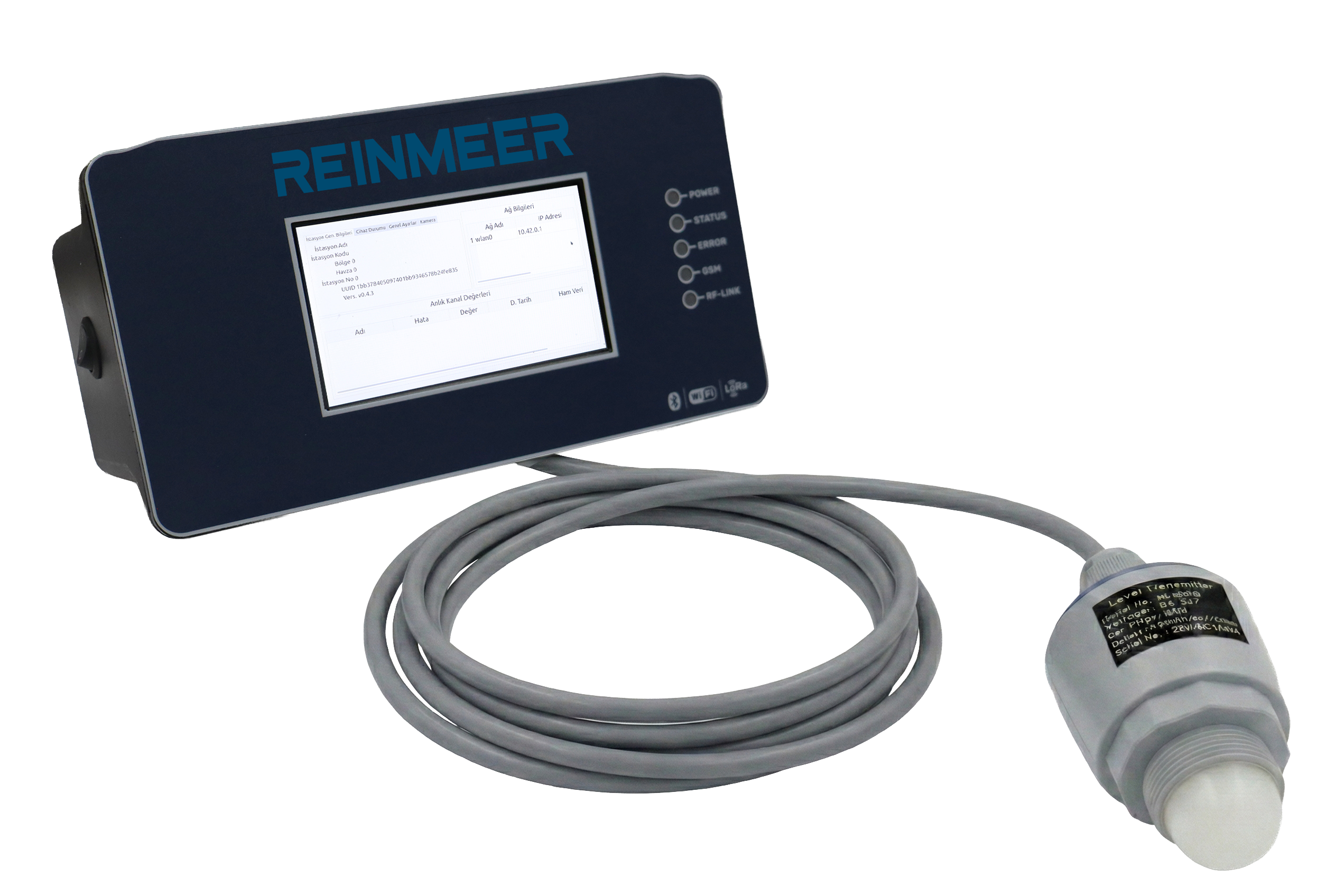
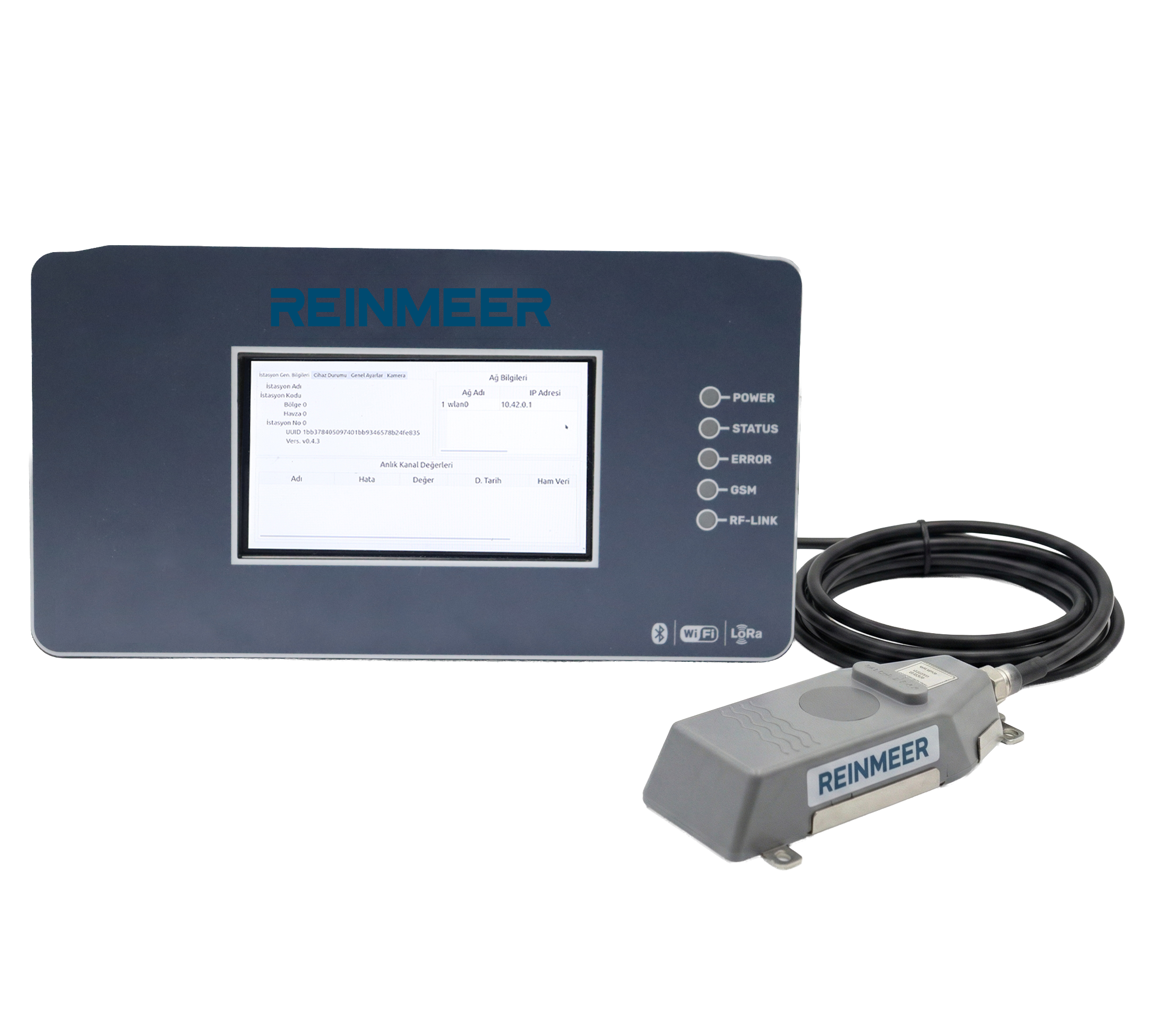
Open channel flow meters are used to measure flow in non-pressurised systems where liquid moves through channels, flumes, weirs, partially filled structures or gravity-fed water lines. Unlike closed-pipe flowmeters, open channel systems do not operate under full pipe pressure. Instead, flow is typically calculated by measuring the liquid level at a defined point and converting that level into a flow rate according to the channel, flume or weir geometry.
Reinmeer open channel flow measurement instruments are suitable for applications where water flow measurement, wastewater flow measurement and industrial discharge monitoring are required. These systems are commonly used in wastewater treatment plants, water infrastructure projects, drainage channels, irrigation systems, industrial effluent lines and environmental monitoring points.
In open channel applications, the accuracy of the measurement depends not only on the instrument but also on the hydraulic structure. The channel shape, flow profile, approach conditions, turbulence, sediment, foam, debris and installation point can all affect the relationship between level and flow. For this reason, open channel flow measurement should be evaluated together with site conditions and hydraulic design.
As part of Reinmeer’s industrial flow meter portfolio, open channel flowmeters support applications where liquid flow must be monitored without a fully pressurised pipe system. For closed pipe applications, other technologies such as ultrasonic or electromagnetic flow measurement may be more suitable depending on the medium and installation requirements.
Wastewater and Water Infrastructure Applications
Open channel flowmeters are widely used in wastewater systems because many treatment and discharge points operate in non-pressurised channels. They can be installed at inlet channels, outlet channels, treatment process stages, effluent discharge points and monitoring stations where continuous wastewater flow measurement is required.
In water infrastructure, open channel measurement can support irrigation canals, drainage networks, stormwater systems, river diversion points and gravity-fed water distribution structures. These applications often require reliable measurement under changing environmental and hydraulic conditions.
Industrial facilities may use open channel flow measurement for process water discharge, treated effluent monitoring or compliance-related reporting. In these environments, stable measurement helps improve visibility over discharge volumes and supports better process supervision. Site conditions such as sediment build-up, foam, floating debris and channel maintenance should be considered during selection and installation.
Level-Based Flow Calculation in Open Channels
Many open channel flow meters calculate flow from level measurement. The instrument measures the liquid height at a defined point, then converts this level into flow rate using the hydraulic characteristics of the flume, weir or channel. This means that level measurement is a central part of open channel flow measurement.
The level signal may be obtained using ultrasonic, radar or other non-contact level measurement technologies depending on the system design and site conditions. Non-contact measurement is often preferred because the sensor does not need to touch the liquid, which can be useful in wastewater, contaminated water or outdoor channel applications.
For reliable calculation, the level measurement point must be installed correctly. The sensor should be positioned where the water surface is representative and not heavily disturbed by turbulence, foam, inlet flow or obstructions. Incorrect level measurement can directly affect the calculated flow value.
Open channel flow measurement requires careful attention to the installation location. The channel should provide stable flow conditions at the measurement point. Excessive turbulence, waves, sediment accumulation, backwater effects, debris or irregular channel geometry can reduce measurement reliability.
The hydraulic structure must also be suitable for the expected flow range. If the flow is too low, the level change may be difficult to measure accurately. If the flow is too high, the structure may become submerged or operate outside its intended range. The selected system should match minimum, normal and maximum flow conditions.
Outdoor installations may require protection against weather, sunlight, flooding, corrosion and mechanical damage. Cable routing, mounting brackets, sensor alignment, power supply and access for maintenance should be reviewed before commissioning. A well-selected measurement point improves long-term stability and reduces unnecessary service issues.
Open channel flowmeters can provide continuous flow rate, totalised volume and alarm information for monitoring and reporting. Depending on the configuration, output signals may include analogue output, pulse output, relay output or digital communication.
These signals can be used by PLC, SCADA, recorders, telemetry systems or remote monitoring platforms.
In wastewater and environmental monitoring applications, totalised flow data is often as important as instantaneous flow rate.
Daily, monthly or process-based totals may be used for operational reporting, discharge supervision or system performance analysis. Alarm outputs can also be used to indicate high flow, low flow, sensor faults or abnormal channel conditions.
Reliable data integration depends on correct scaling, hydraulic configuration, output signal setup and commissioning. The configured channel, flume or weir parameters should match the physical installation. If these values are incorrect, the measured level may be valid, but the calculated flow rate may not represent the actual site condition.
Closed pipe flow measurement is used when liquid flows through a full, pressurised pipe. Technologies such as electromagnetic, turbine, ultrasonic or vortex meters may be used depending on the medium and process conditions.
Open channel flow measurement is used when the liquid surface is exposed to atmosphere or when the channel is not completely full. Instead of measuring flow directly inside a full pipe, the system often measures level and calculates flow based on the hydraulic structure.
Level measurement is important because many open channel systems calculate flow from liquid height. If the level reading is unstable or incorrect, the calculated flow value will also be affected.
The level sensor should be installed where the water surface is representative of the hydraulic condition. Turbulence, foam, debris, sediment, wind effects or incorrect sensor alignment can reduce measurement reliability.