
-
 FLOW
FLOW
-
 PRESSURE
- Hydrostatic Level Sensor
- Finger -Type Differential Pressure Transmitter
- Finger Type Pressure Transmitter
- Finger-Type Pressure Transmitter with Indicator
- Stainless Steel Pressure Transmitter Without Gauge
- Pressure Transmitters with and without Gauges
- Flange Stainless Steel Body Pressure Transmitter
- Flush Diaphragm Pressure Transmitter
- Ex-Proof Pressure Transmitter
-
 LEVEL
LEVEL
-
 CONTROLLERS
-
 MOISTURE
-
 ANALYTICAL
-
 TEMPERATURE
TURBINE FLOWMETER
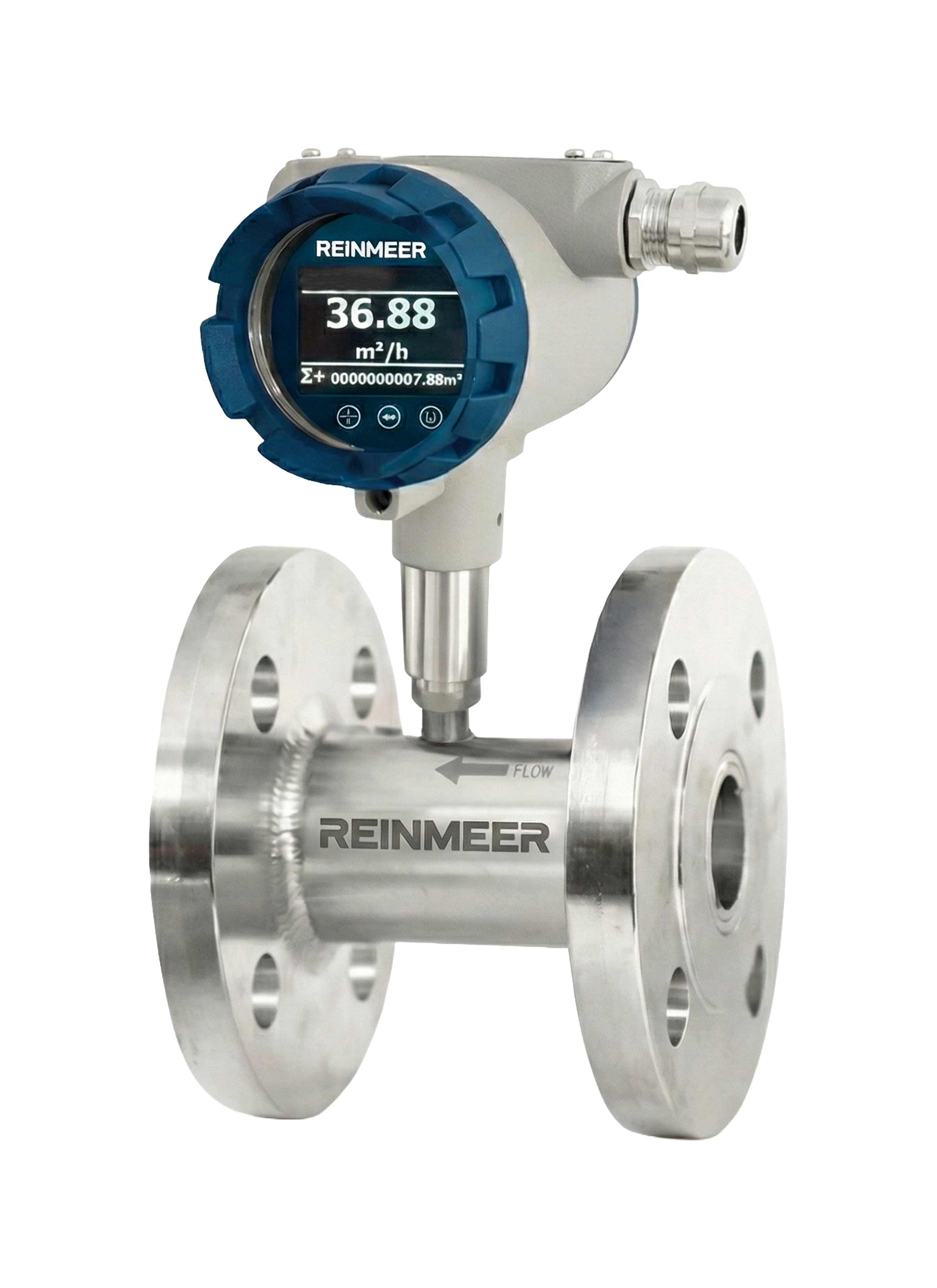
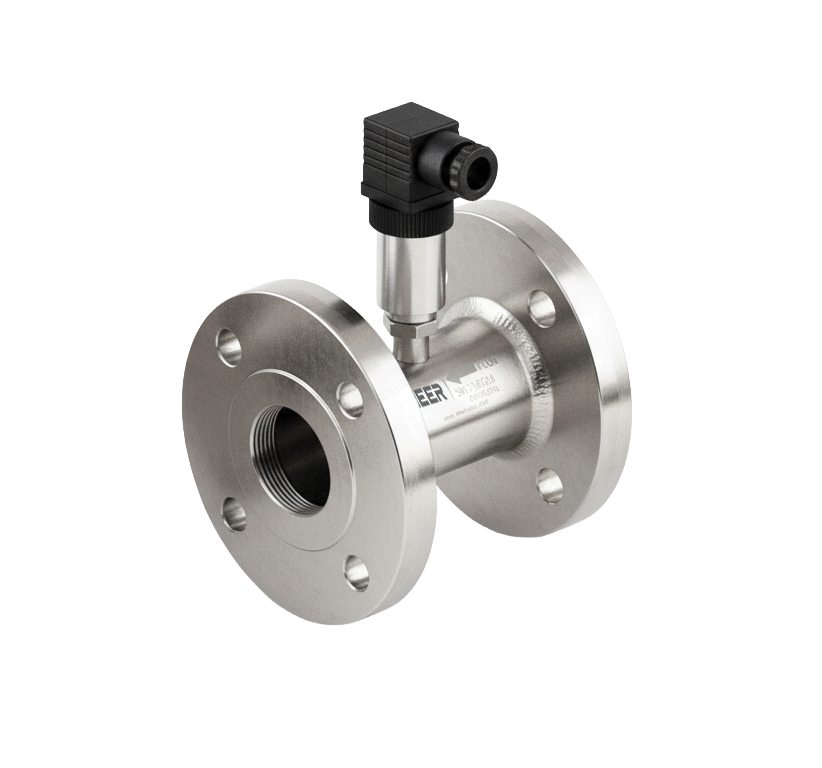
The Turbine Flowmeters Series operate on the advanced principle of converting the kinetic energy of a moving fluid into a measurable mechanical rotation. When the process medium enters the meter body, it is guided through internal flow conditioners that stabilize the flow profile. This preparation ensures that the fluid strikes the multi-blade turbine rotor with maximum efficiency and minimal turbulence.
The high-grade turbine rotor is mounted on precision bearings within the flow path, allowing it to rotate freely. As the fluid moves through the pipe, its velocity forces the rotor to spin at a rate that is directly proportional to the volumetric flow rate.This linear relationship between fluid velocity and rotor speed is the foundation of the device's high measurement accuracy across its entire operatingrange.
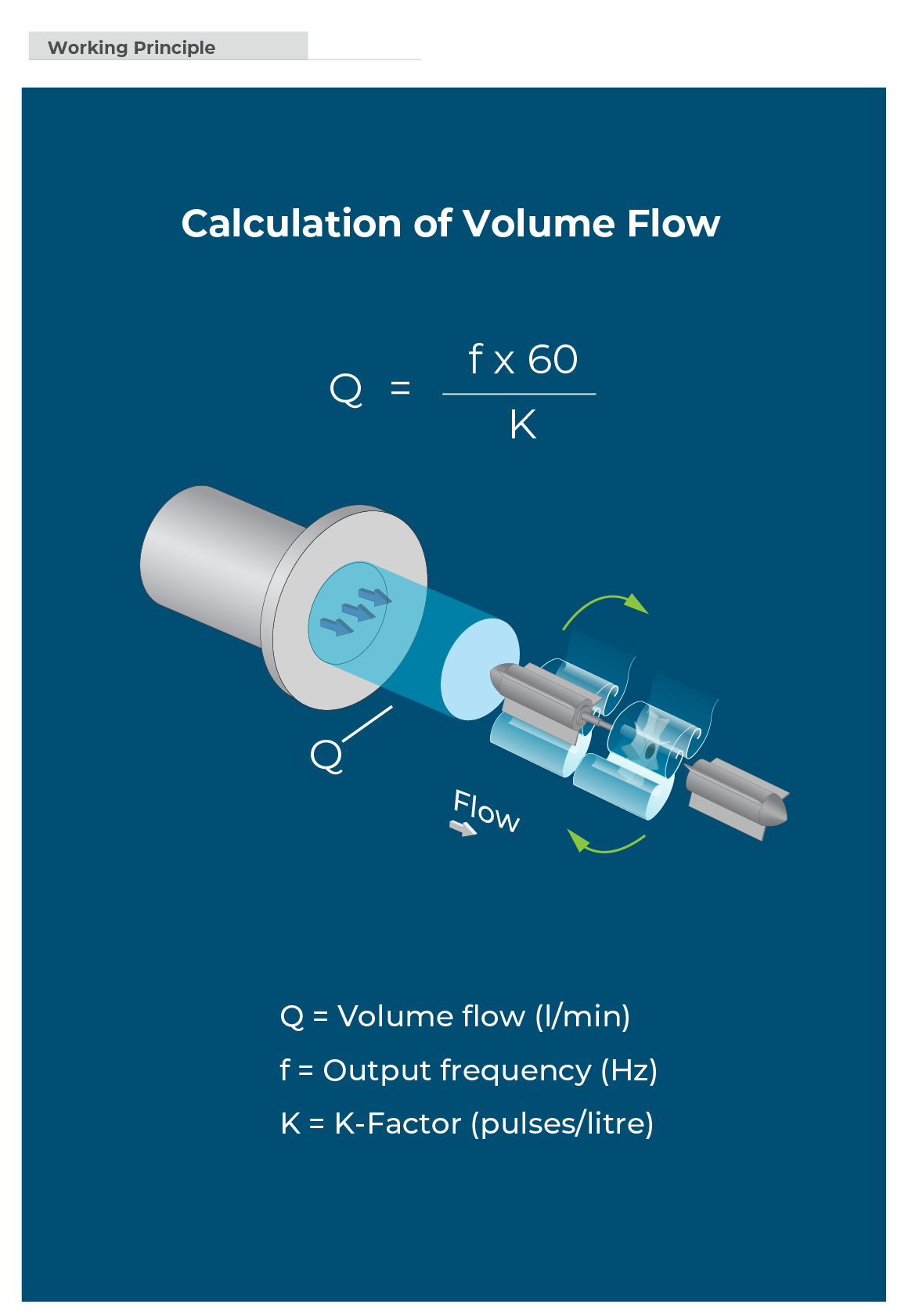
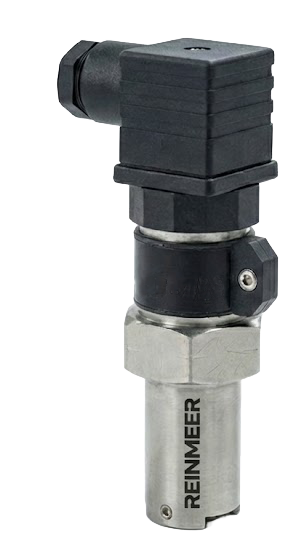
As the turbine rotor spins, its blades pass through a magnetic field generated by a high-precision pick-up sensor mounted on the exterior of the meter body. The rotor blades are typically manufactured from paramagnetic materials, which means each passing blade disturbs the magnetic flux. This interaction induces a distinct electrical pulse, creating a continuous pulse train whose frequency corresponds to the flow speed. This non-intrusive sensing technology is a key advantage of theTurbine Flowmeters Series. Since there is no physical or mechanical connection between the internal moving parts and the external electronic sensors, the risk of pressure loss or leakage is significantly minimized. This design ensures long-term
operational reliability and reduces maintenance requirements, even in demanding industrial environments.
The induced electrical pulses are transmitted to the integrated electronic converter unit. Here, sophisticated microprocessors analyze the frequency of the pulse signals to calculate both the instantaneous flow rate and the cumulative total volume. The unit can also apply compensation factors to account for different fluid viscosities or temperatures, ensuring the data remains precise under varying conditions. In the final stage of the process, the calculated data is displayed on the high-contrast local LCD interface for immediate on-site monitoring. Simultaneously, the RM-TD Series supports seamless industrial integration by providing a variety of output options. These include standard 4-20mA analog signals, pulse outputs, and digital communication protocols, allowing the flowmeter to transmit vital data to remote PLC or SCADA control systems.