

-
 FLOW
FLOW
-
 PRESSURE
- Hydrostatic Level Sensor
- Finger -Type Differential Pressure Transmitter
- Finger Type Pressure Transmitter
- Finger-Type Pressure Transmitter with Indicator
- Stainless Steel Pressure Transmitter Without Gauge
- Pressure Transmitters with and without Gauges
- Flange Stainless Steel Body Pressure Transmitter
- Flush Diaphragm Pressure Transmitter
- Ex-Proof Pressure Transmitter
-
 LEVEL
LEVEL
-
 CONTROLLERS
-
 MOISTURE
-
 ANALYTICAL
-
 TEMPERATURE
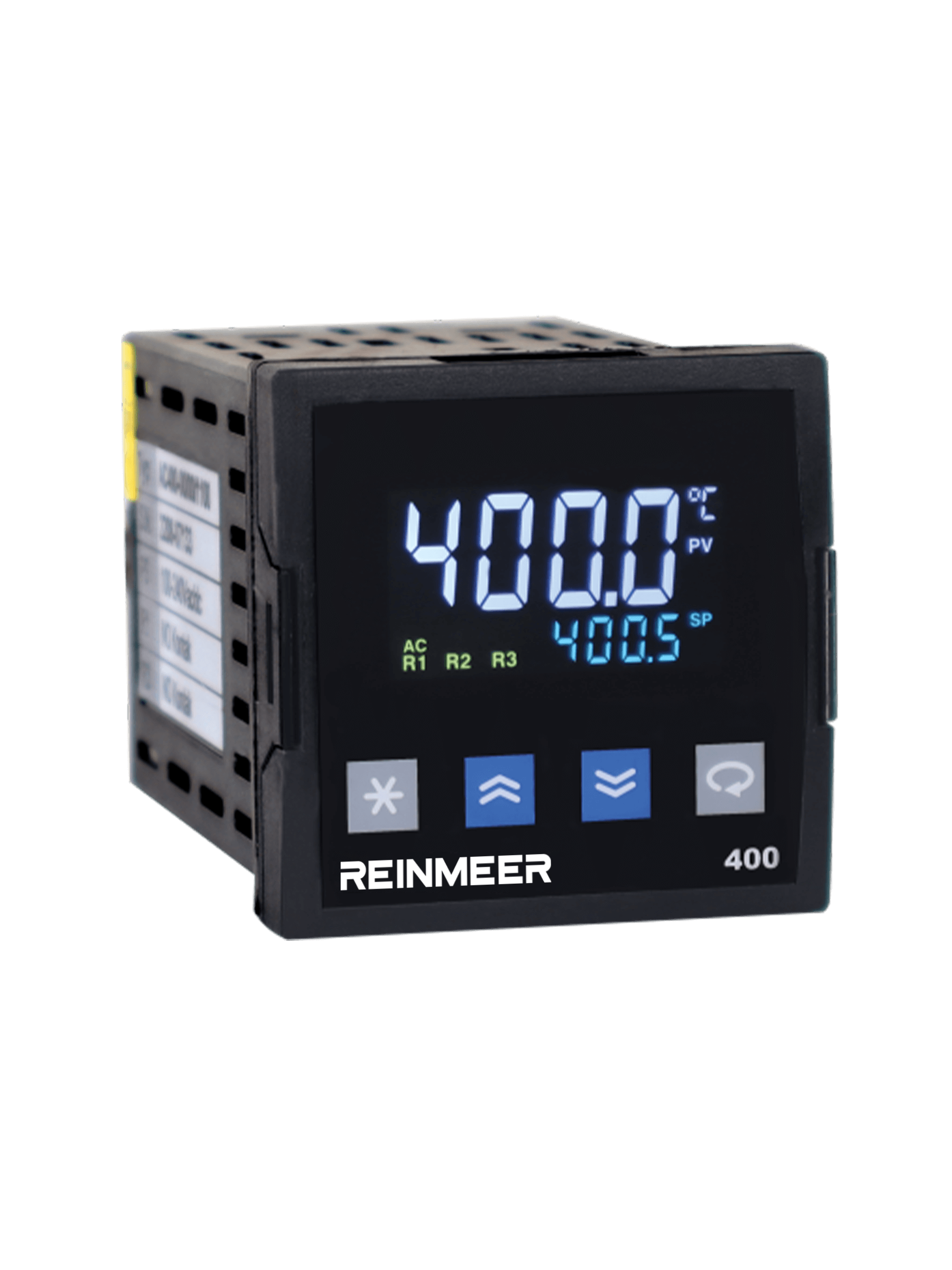
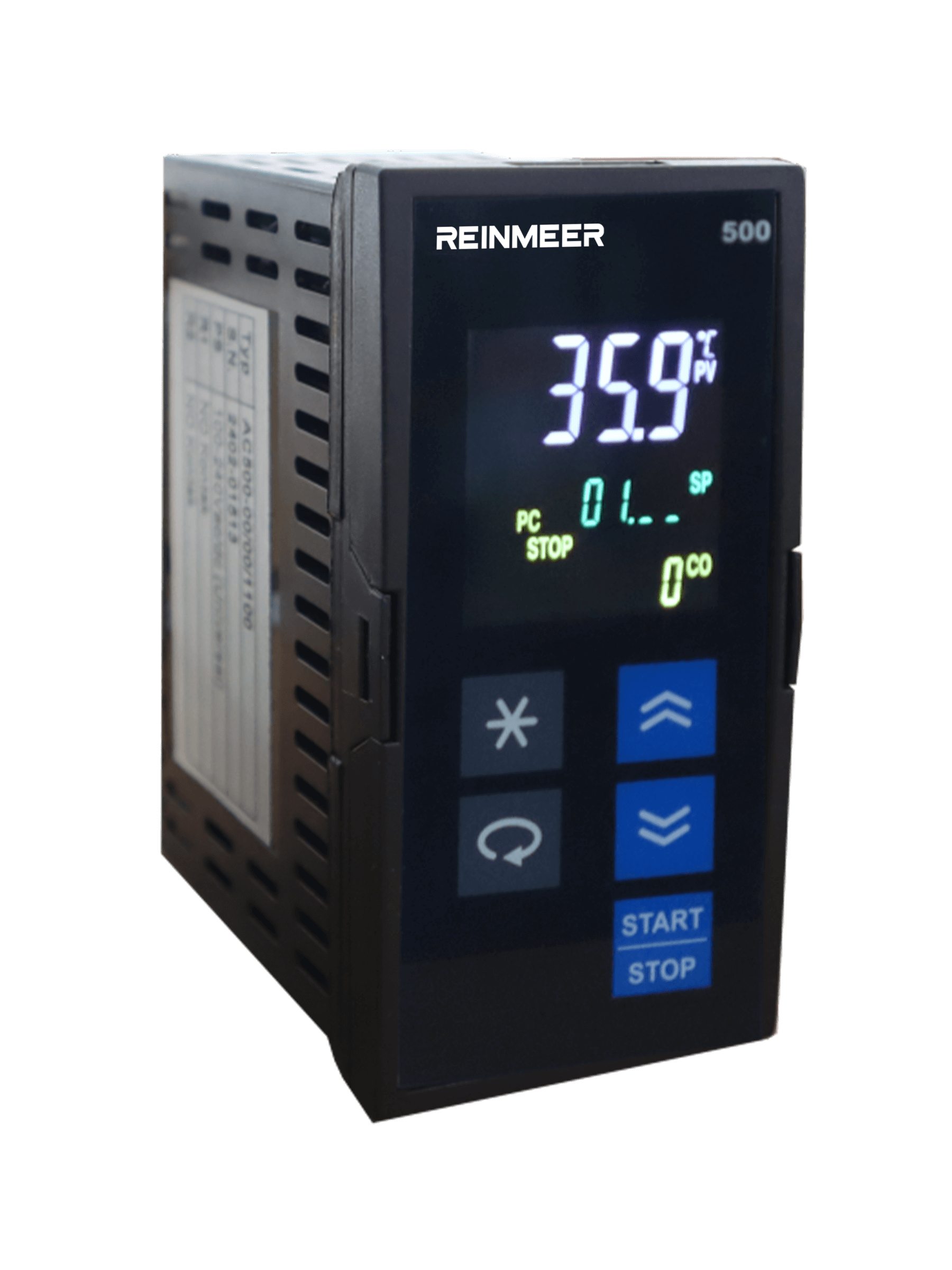
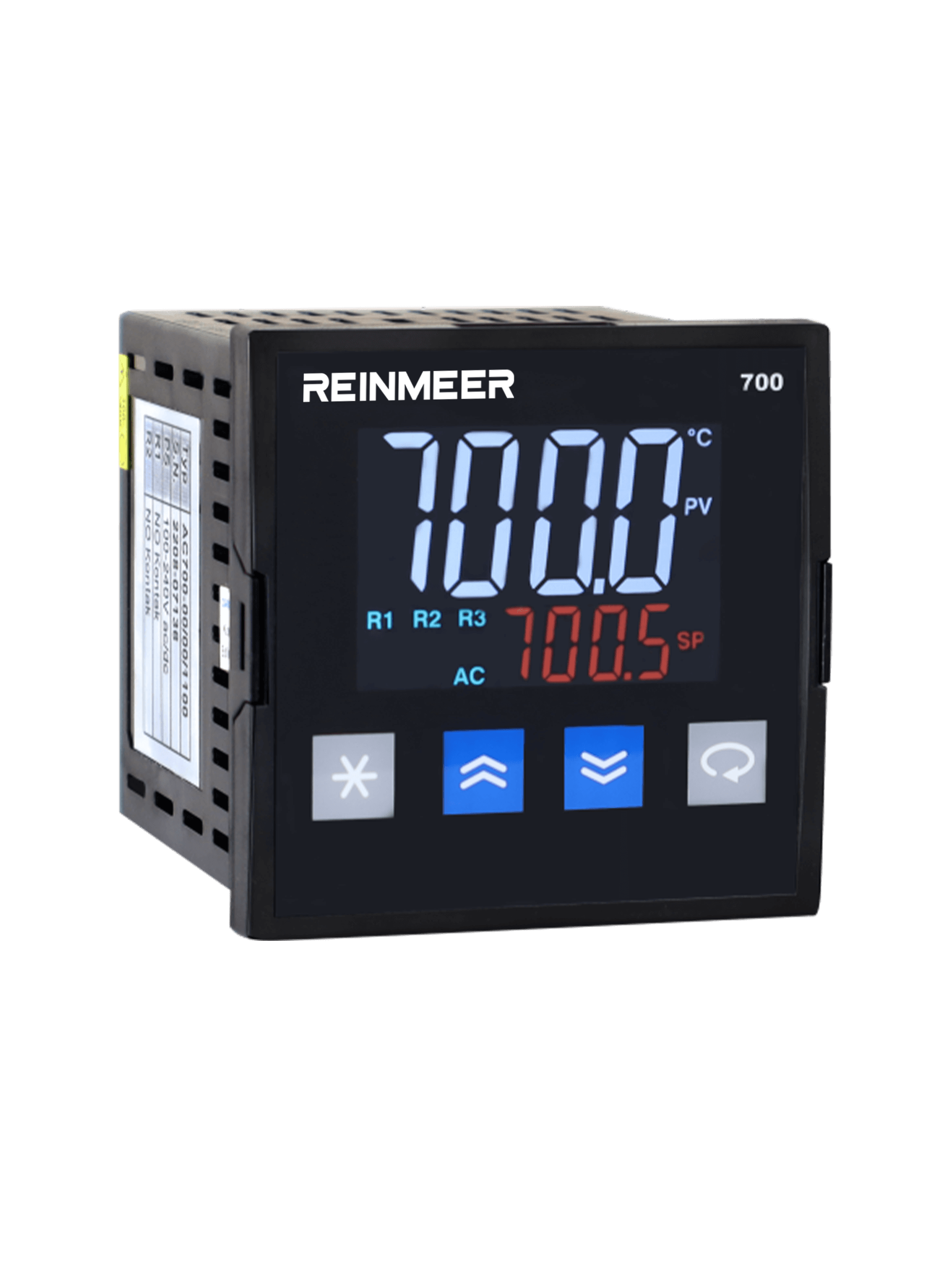
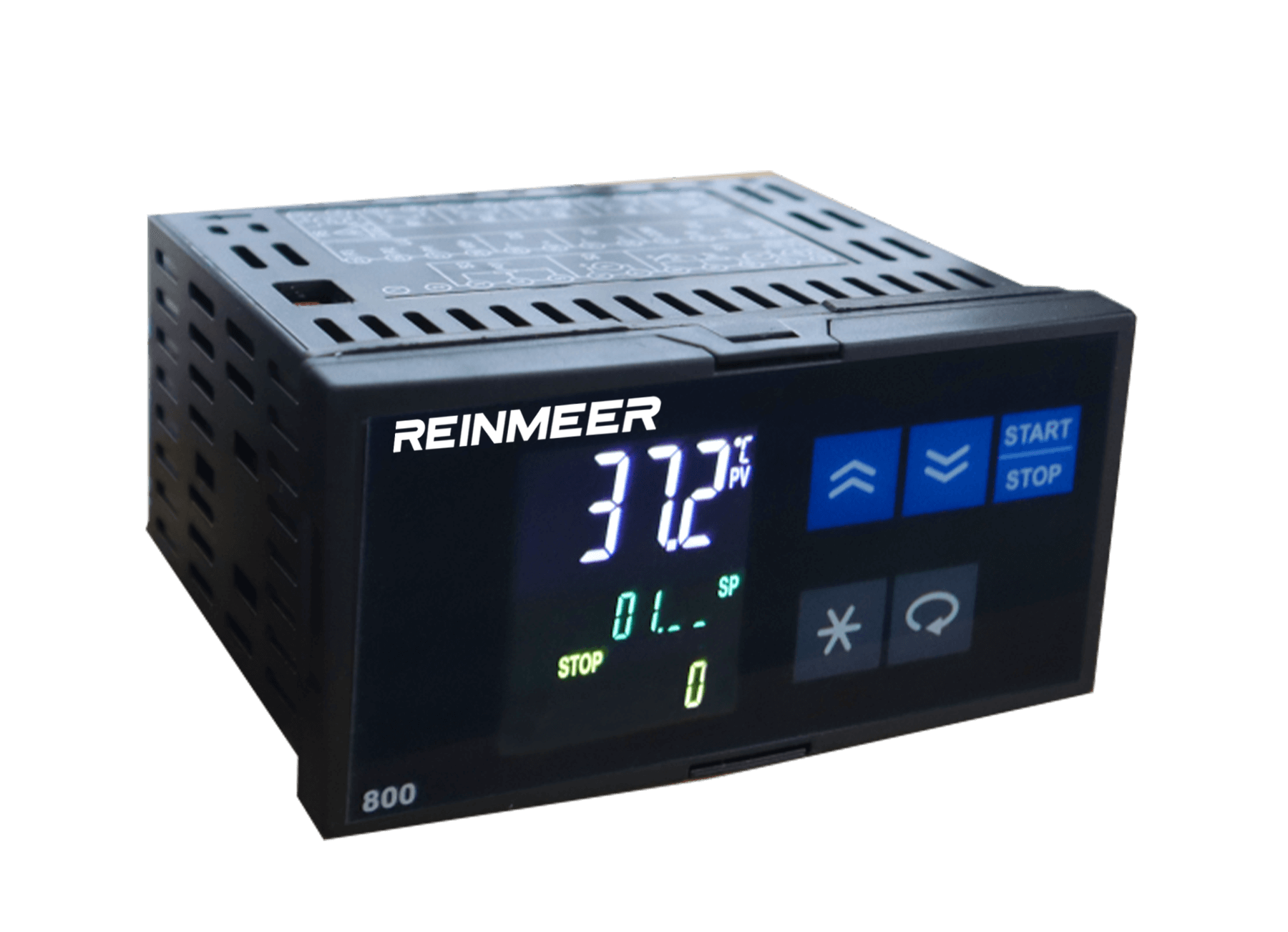
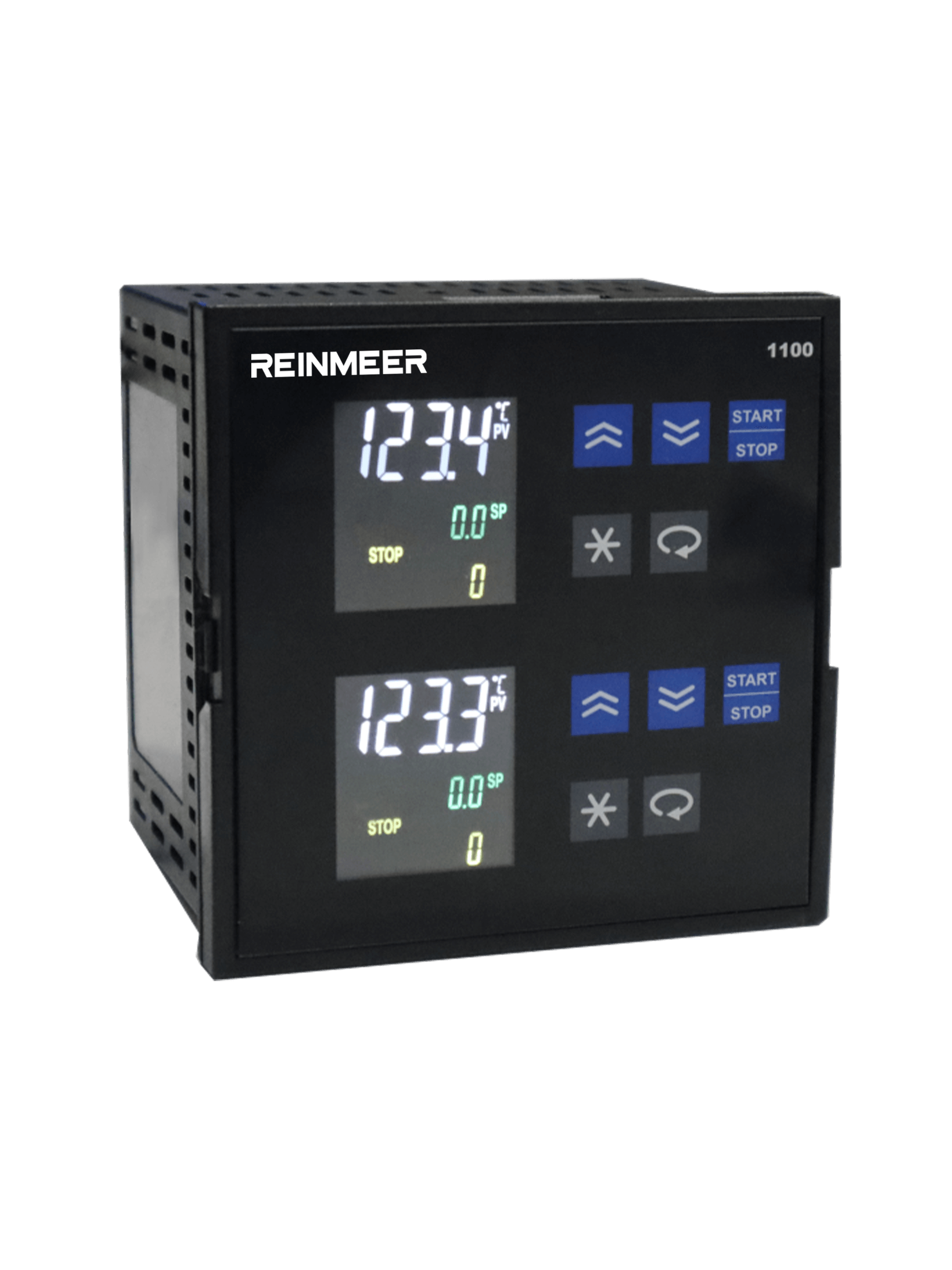
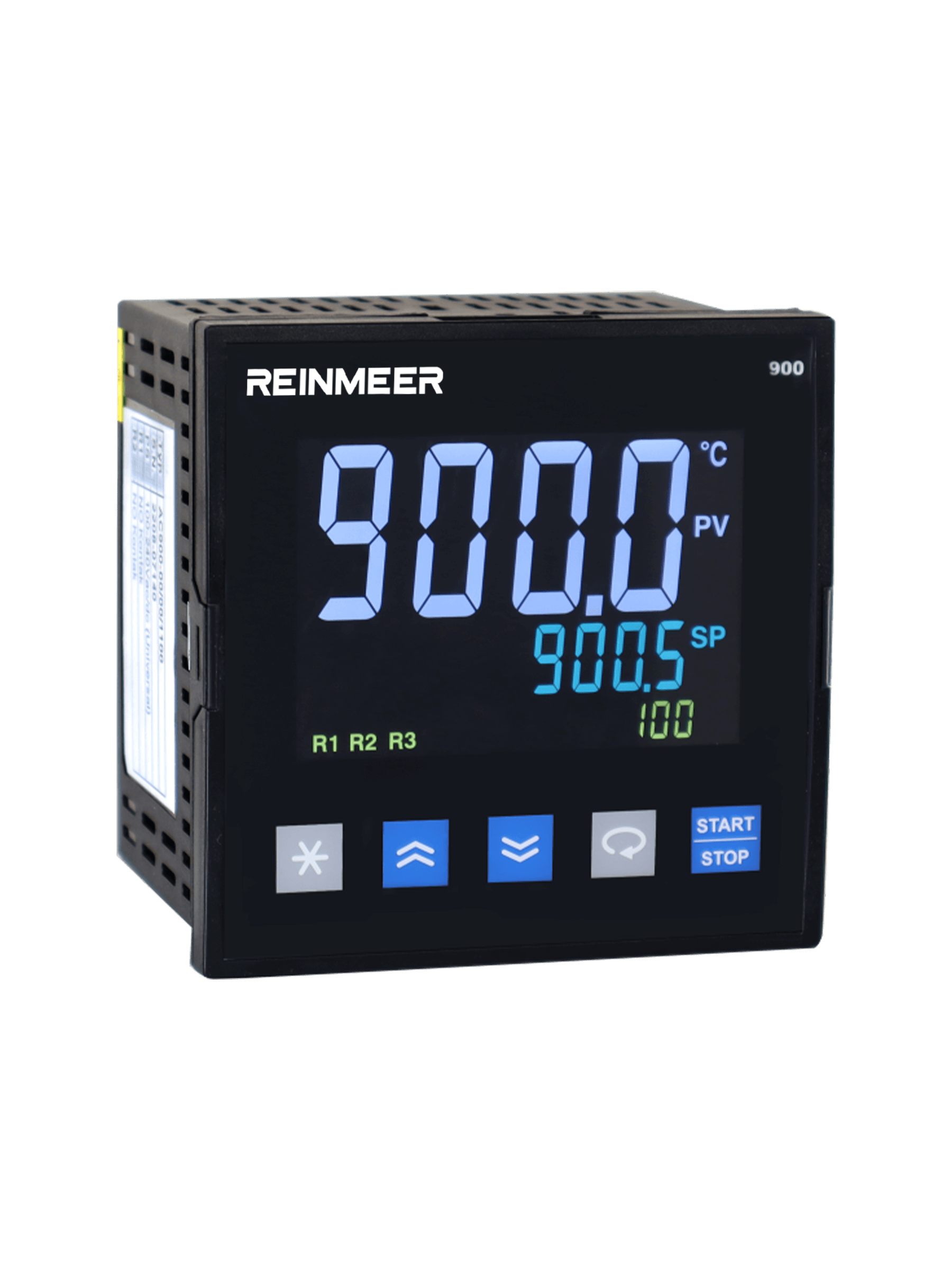
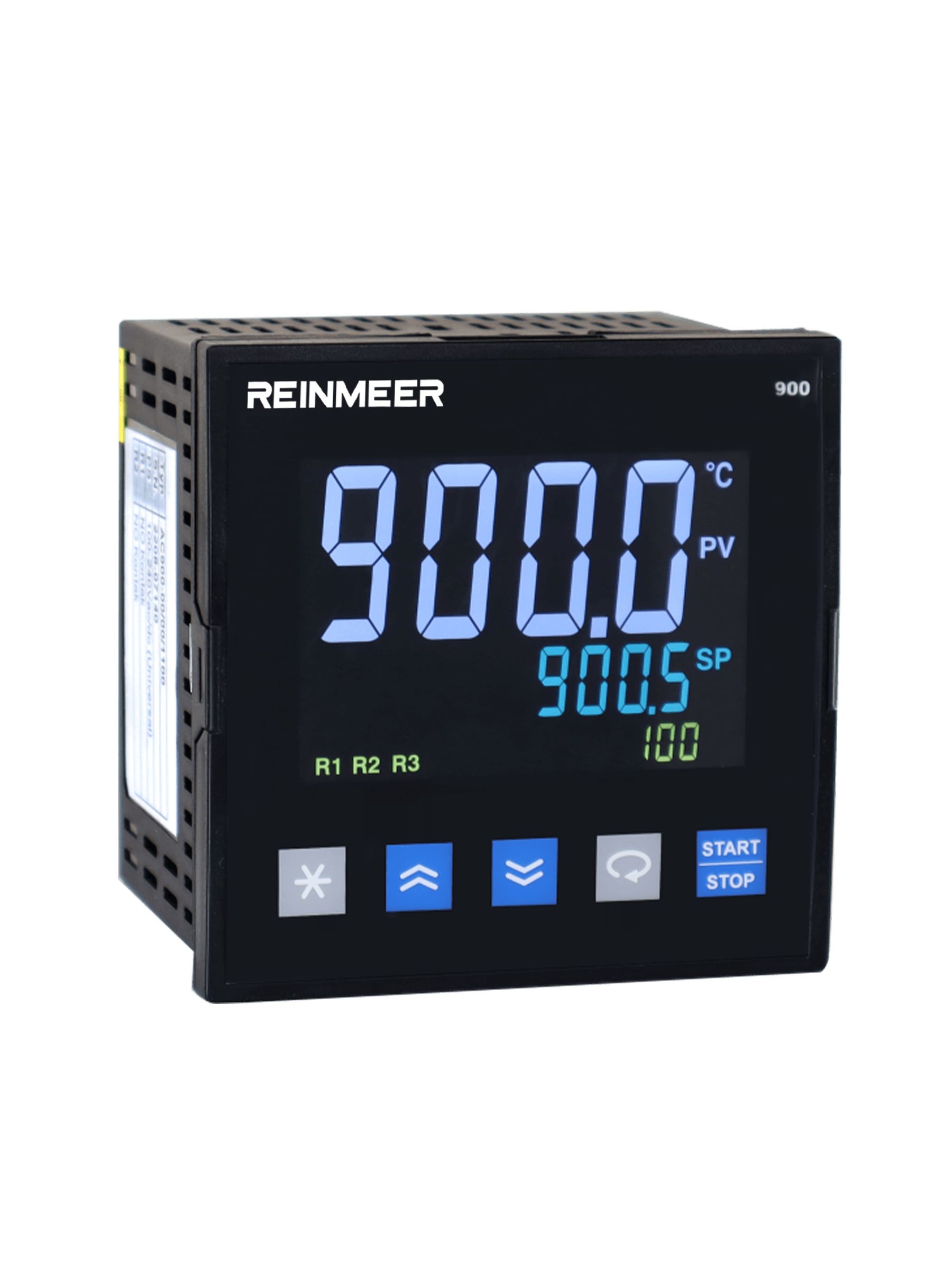
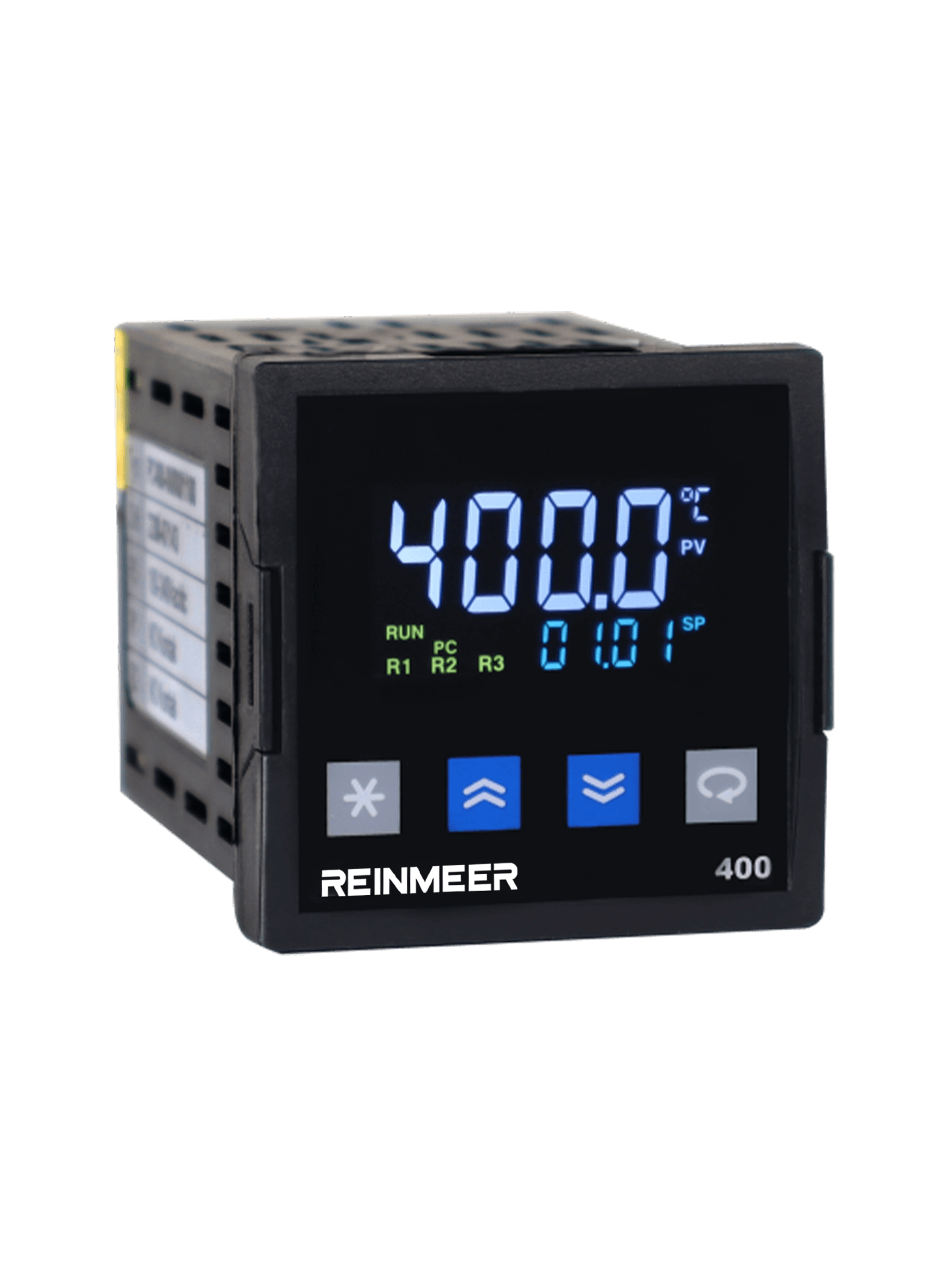
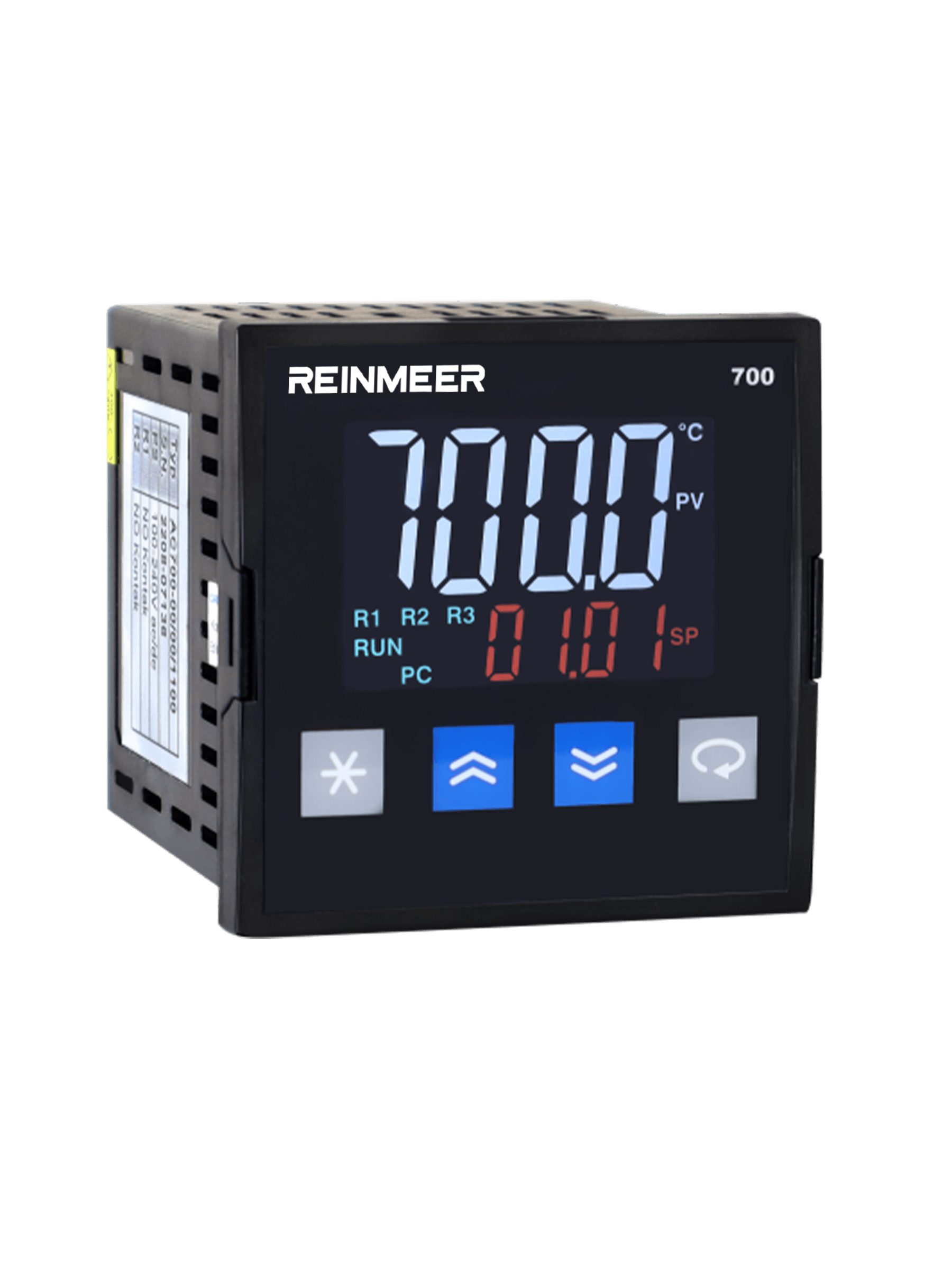
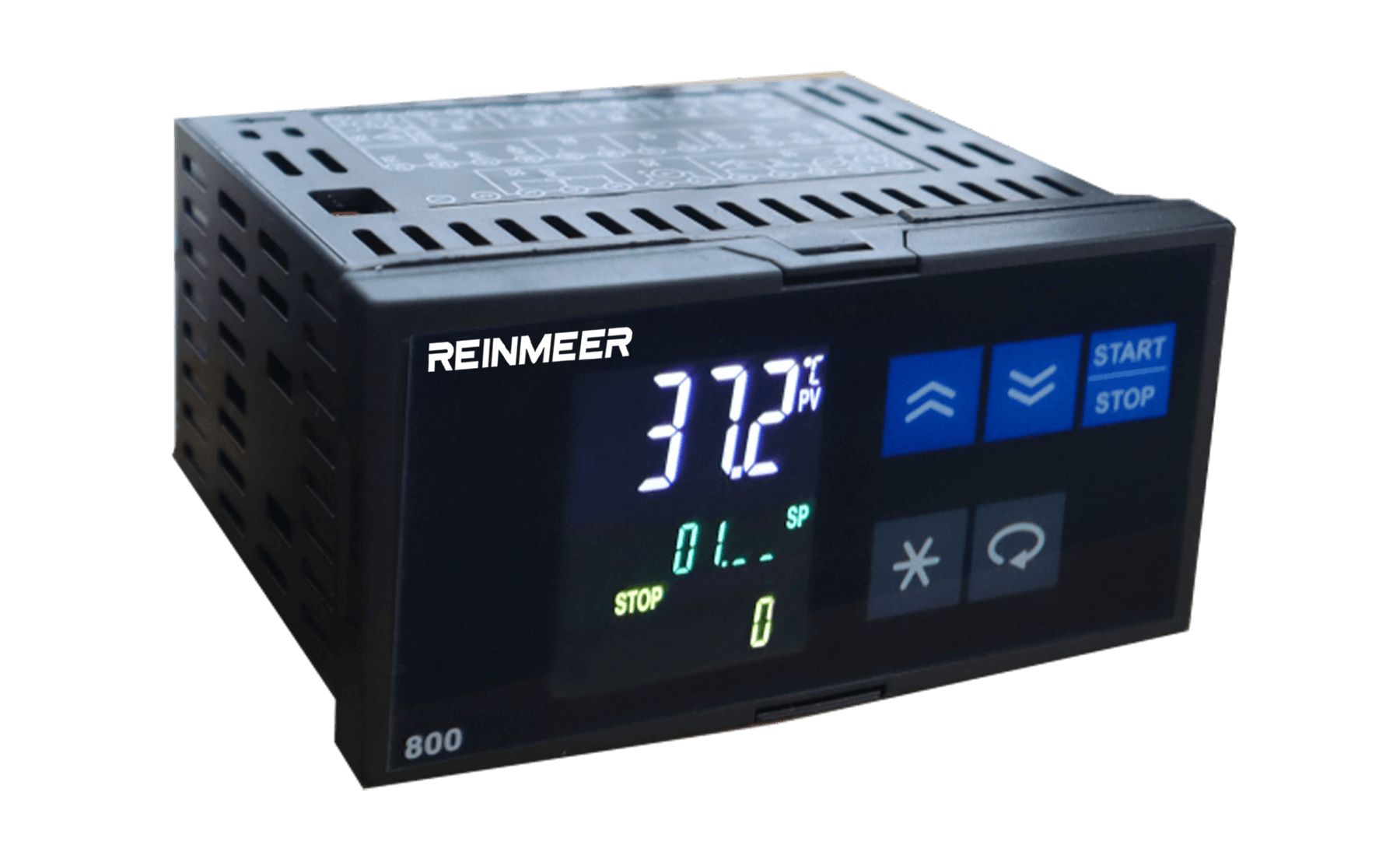
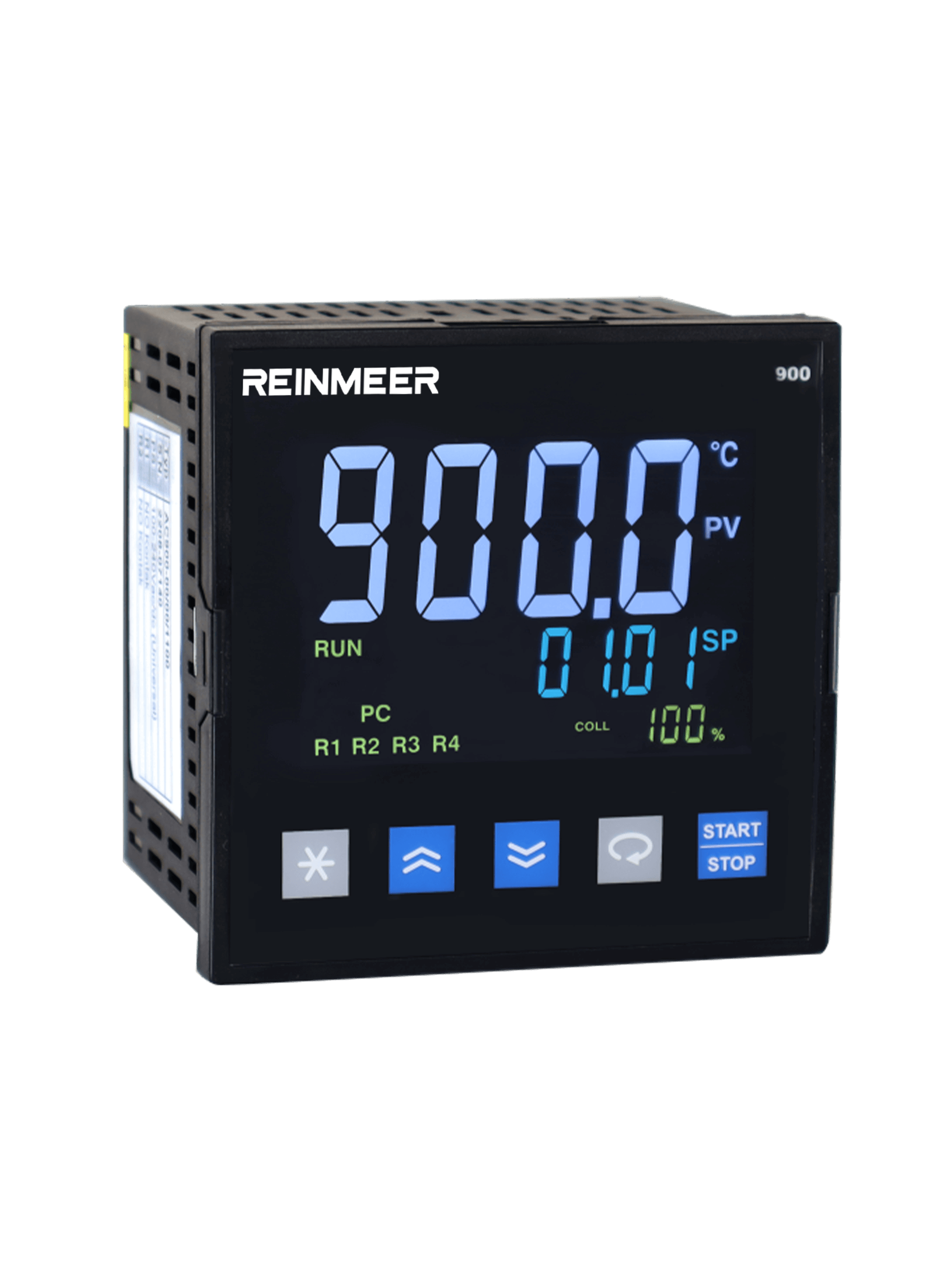
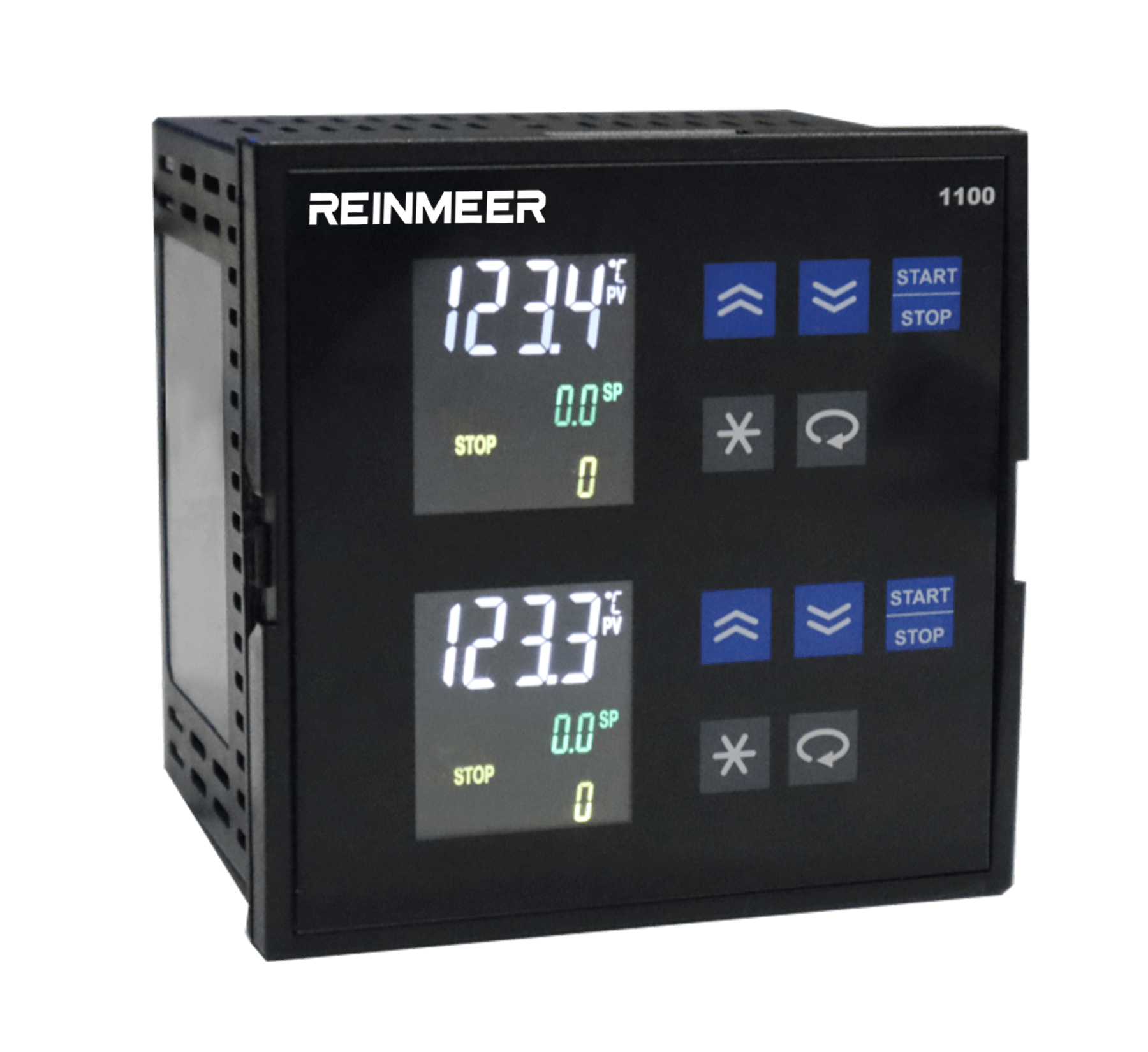
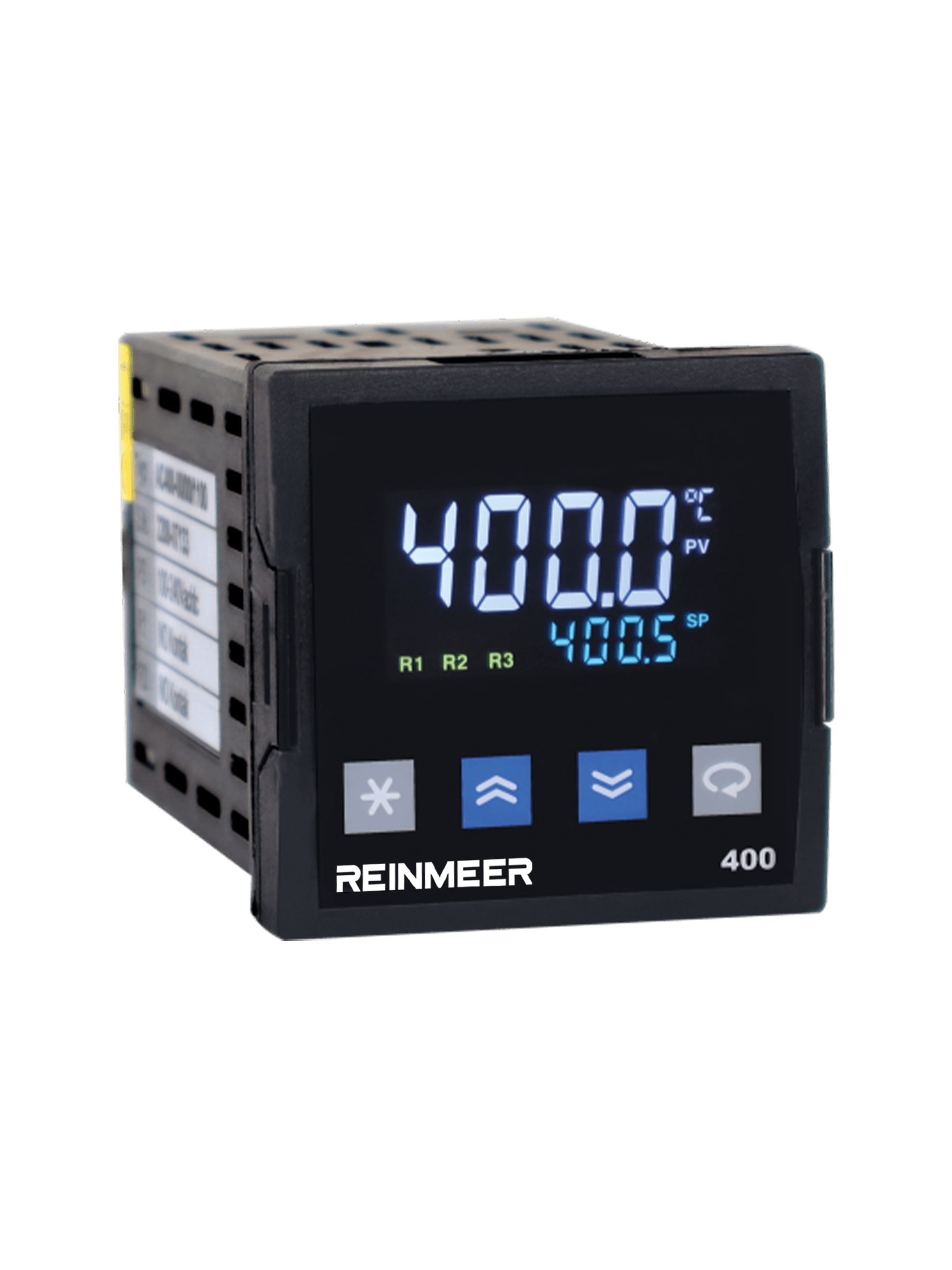
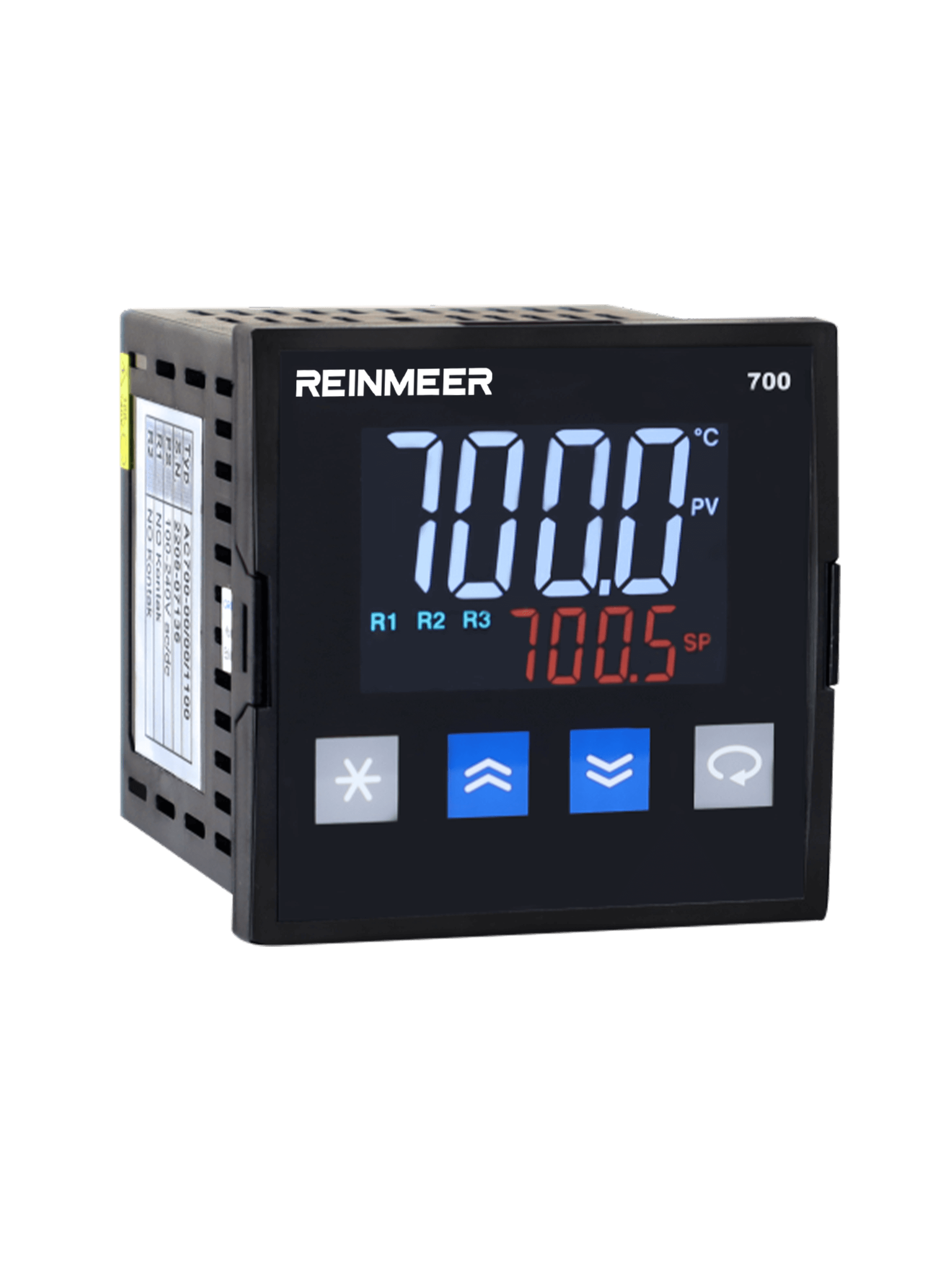
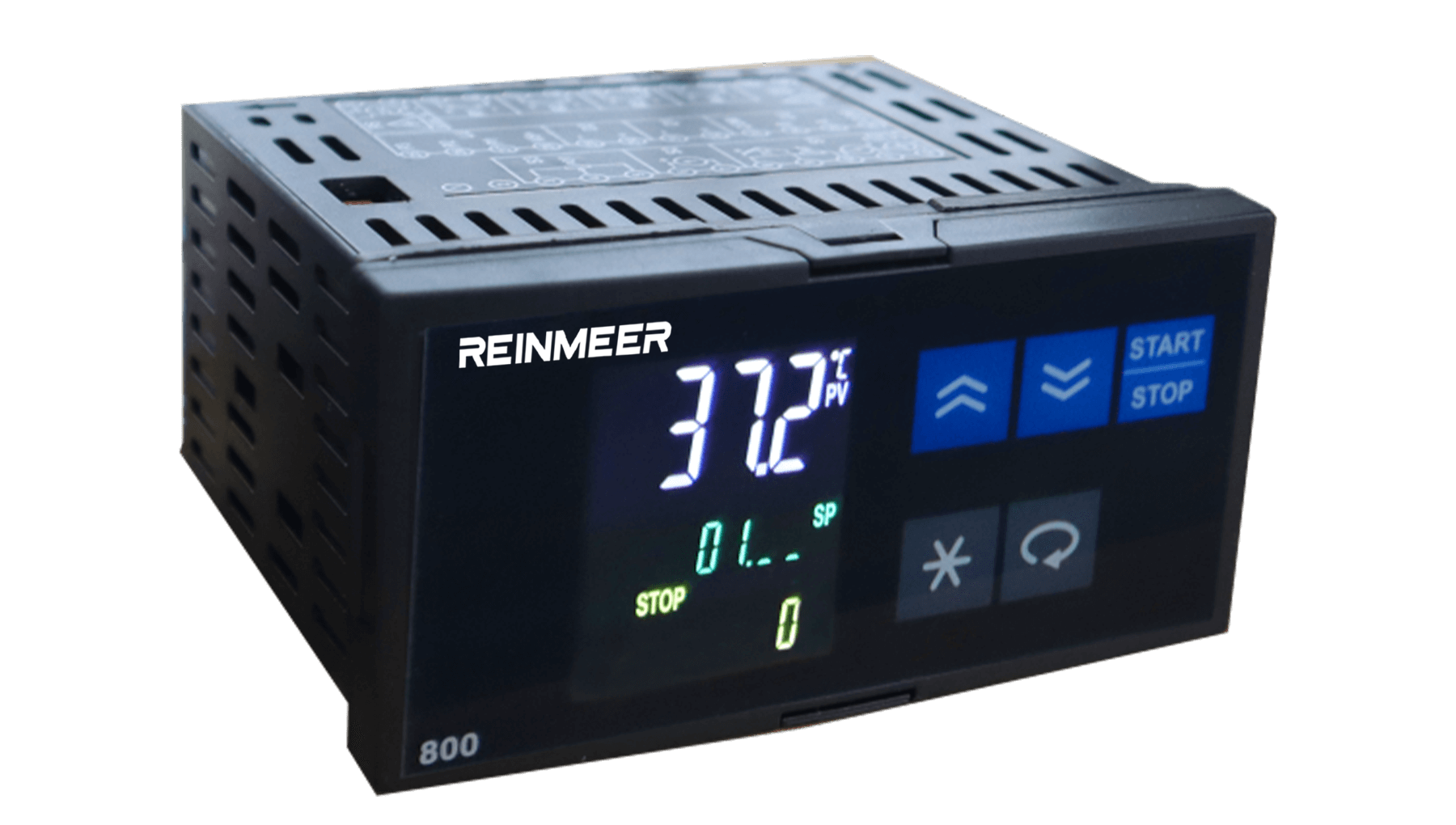
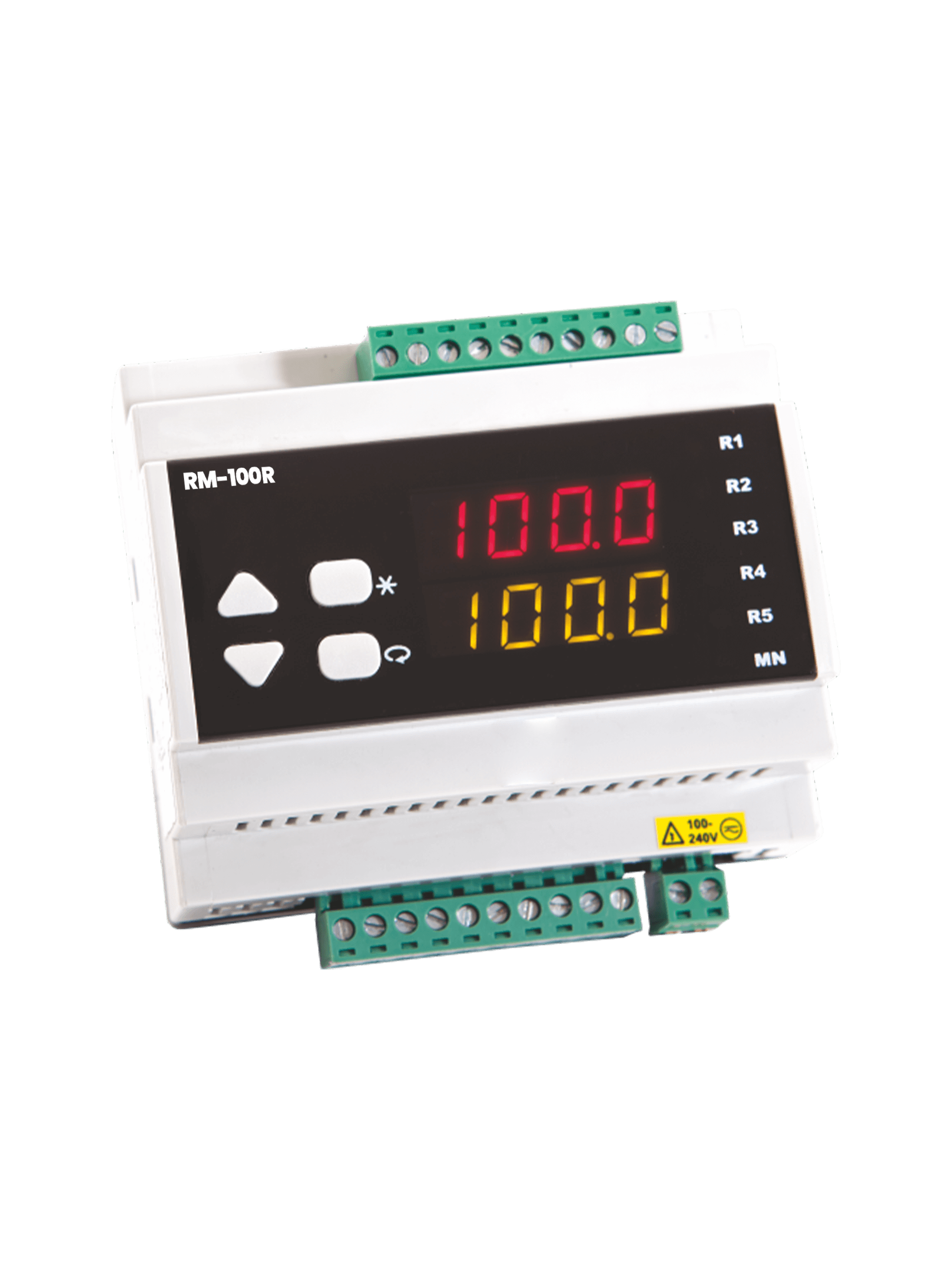
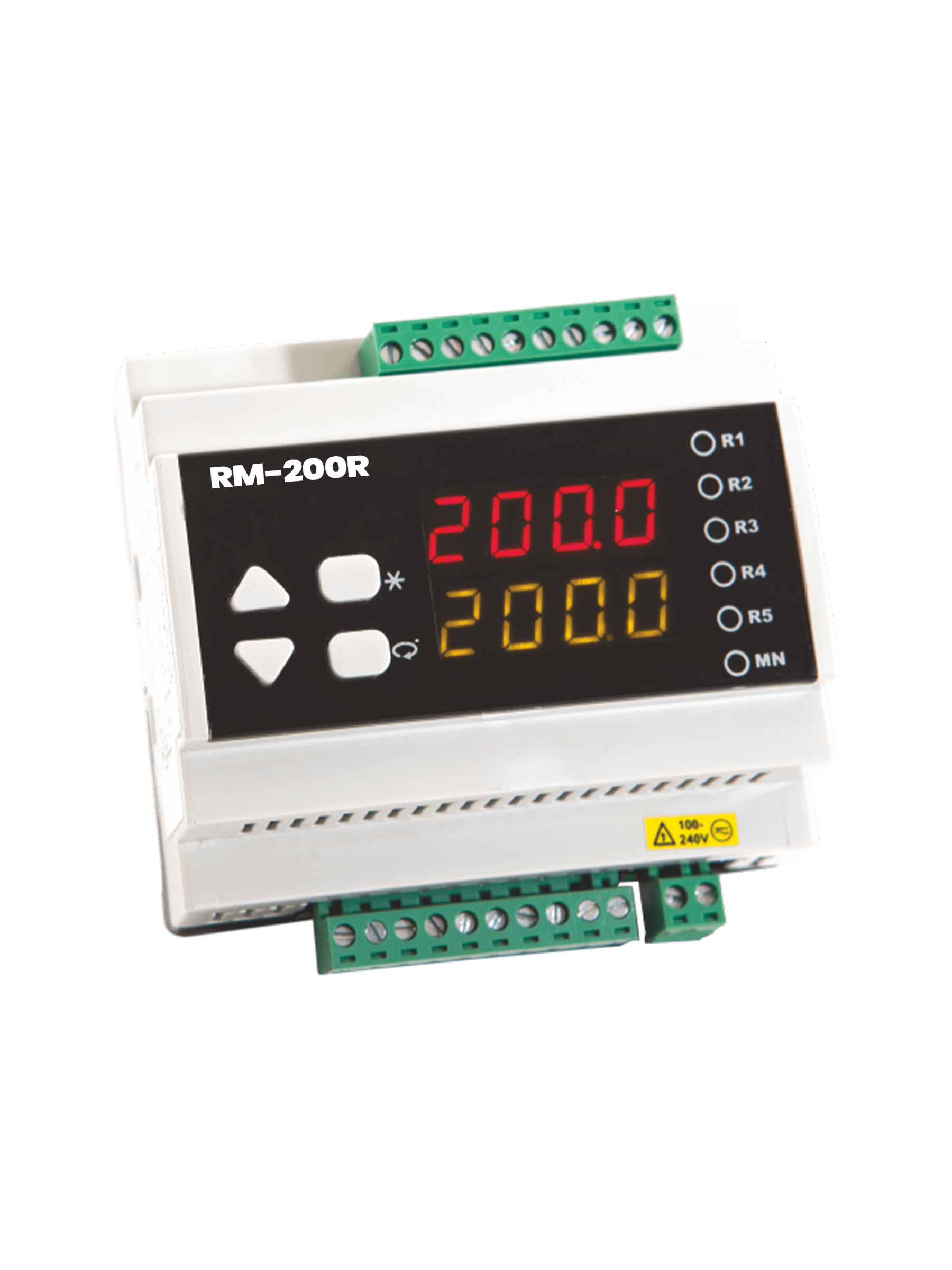
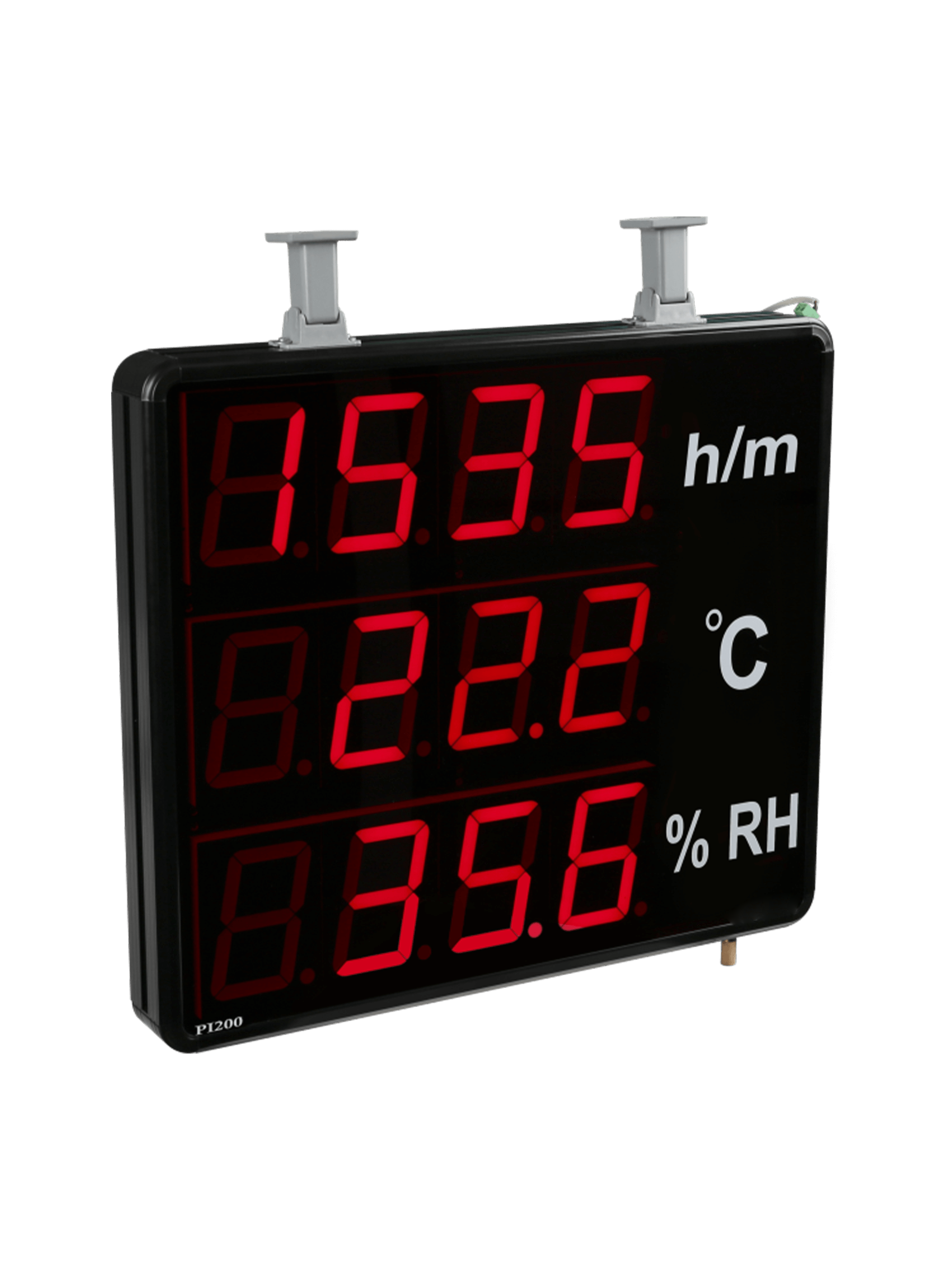
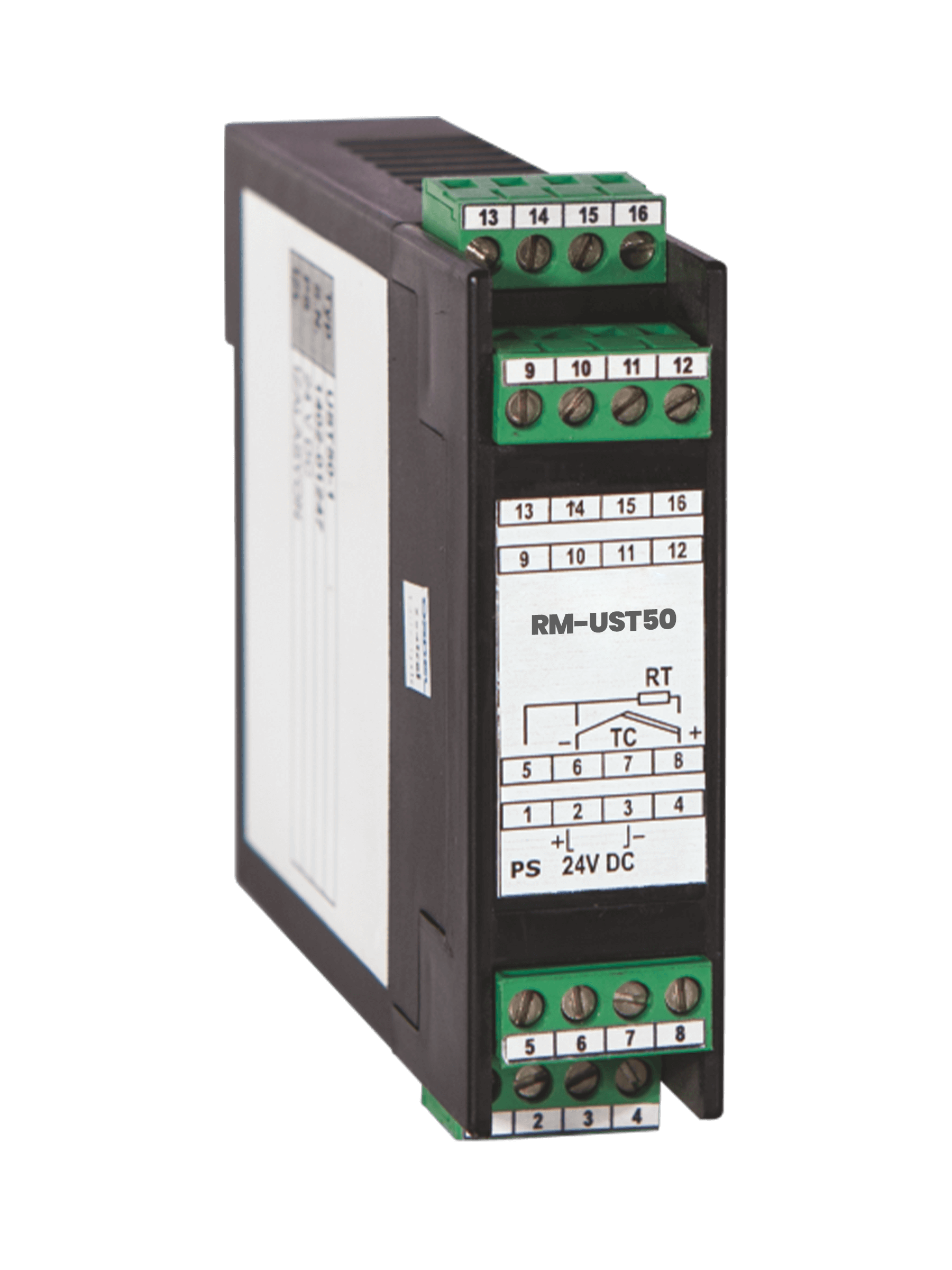
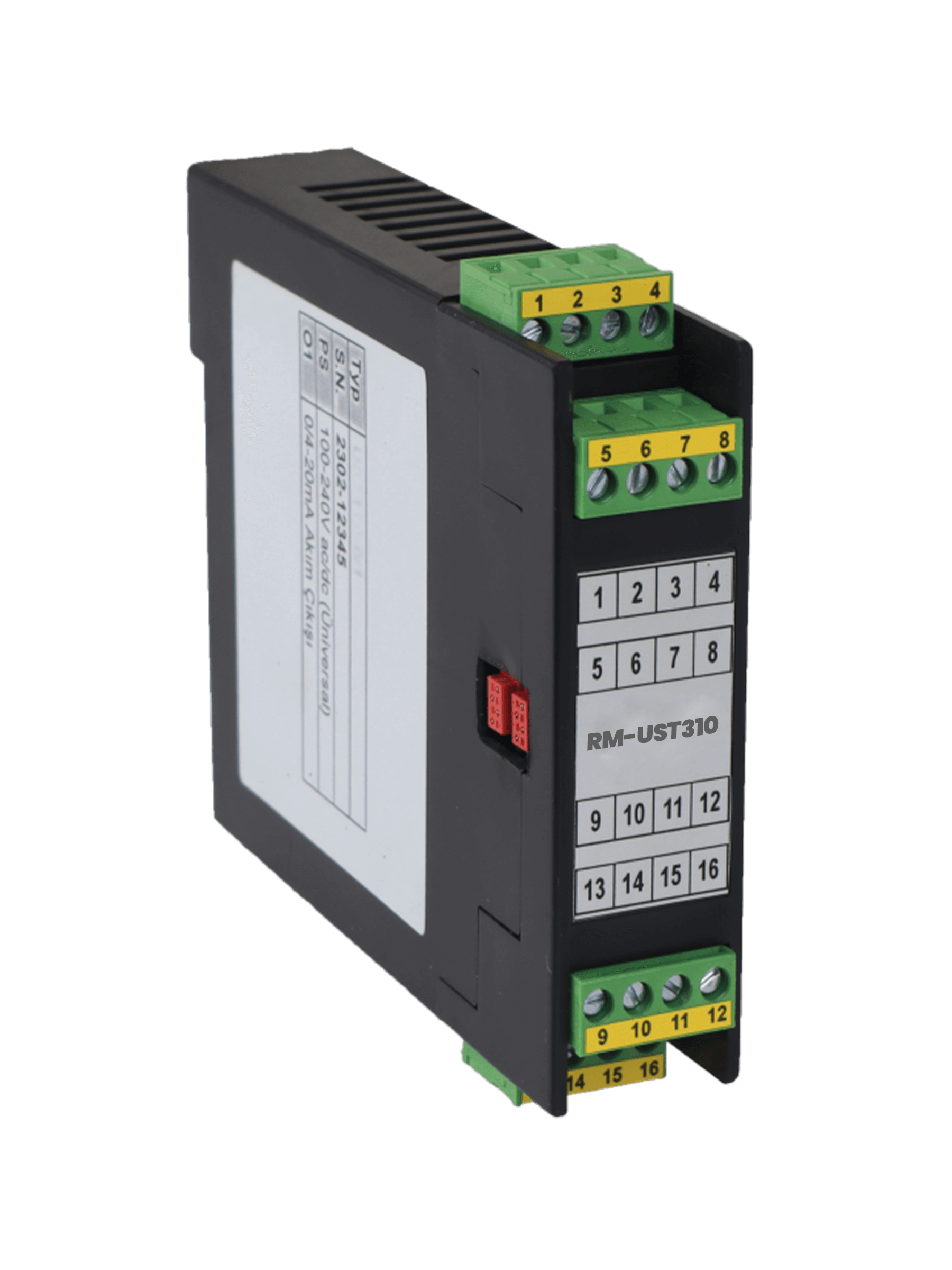
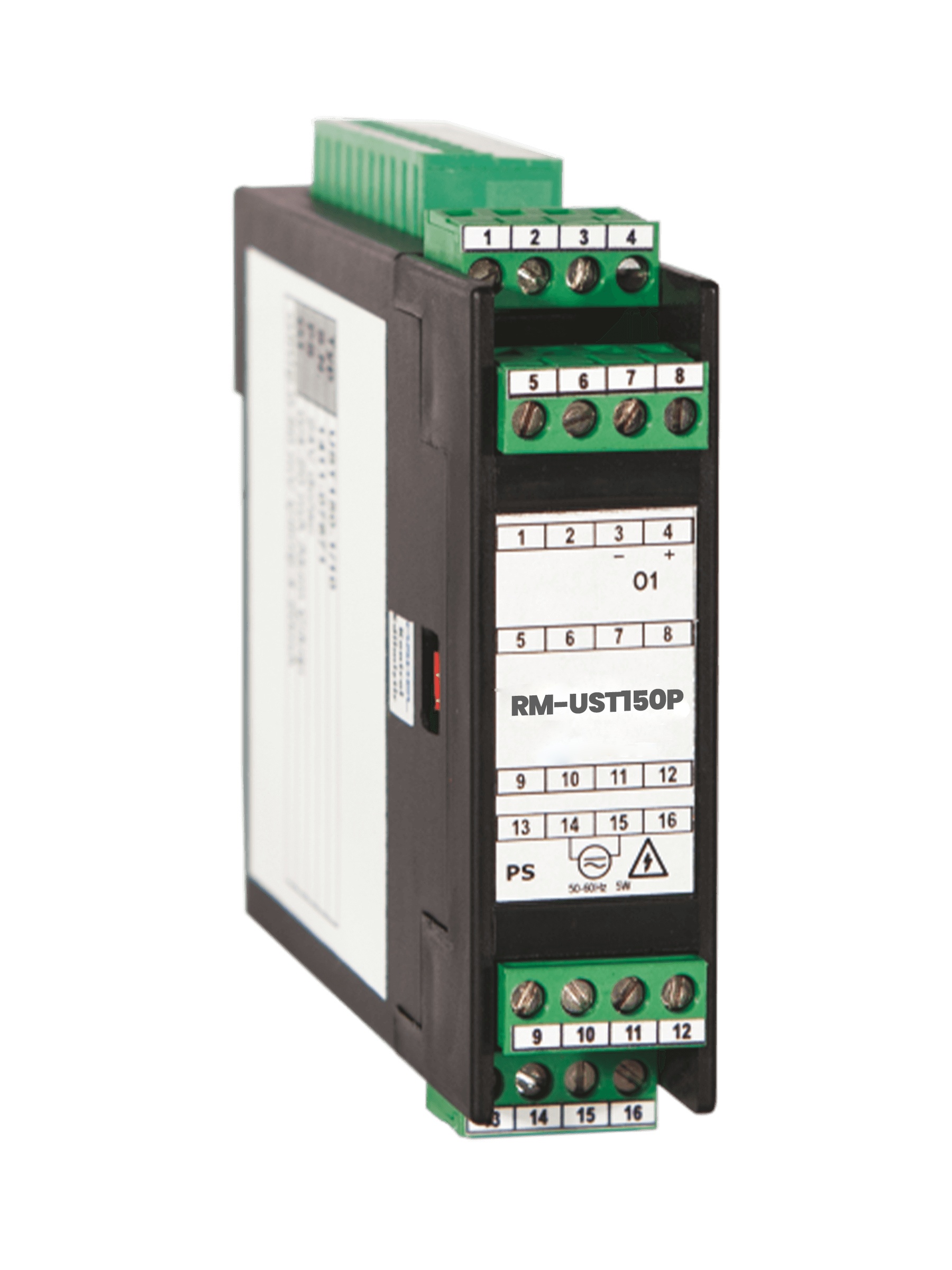
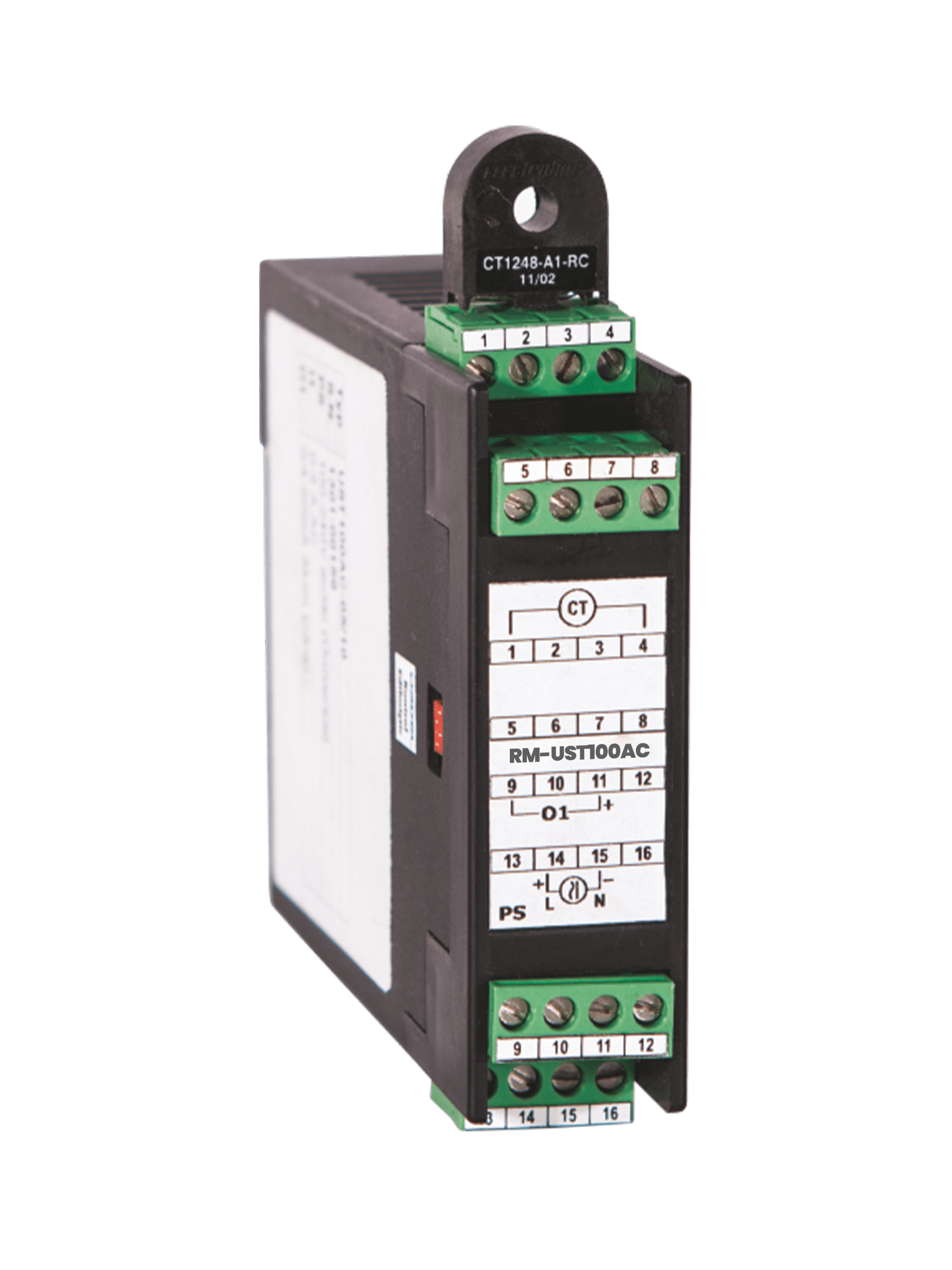
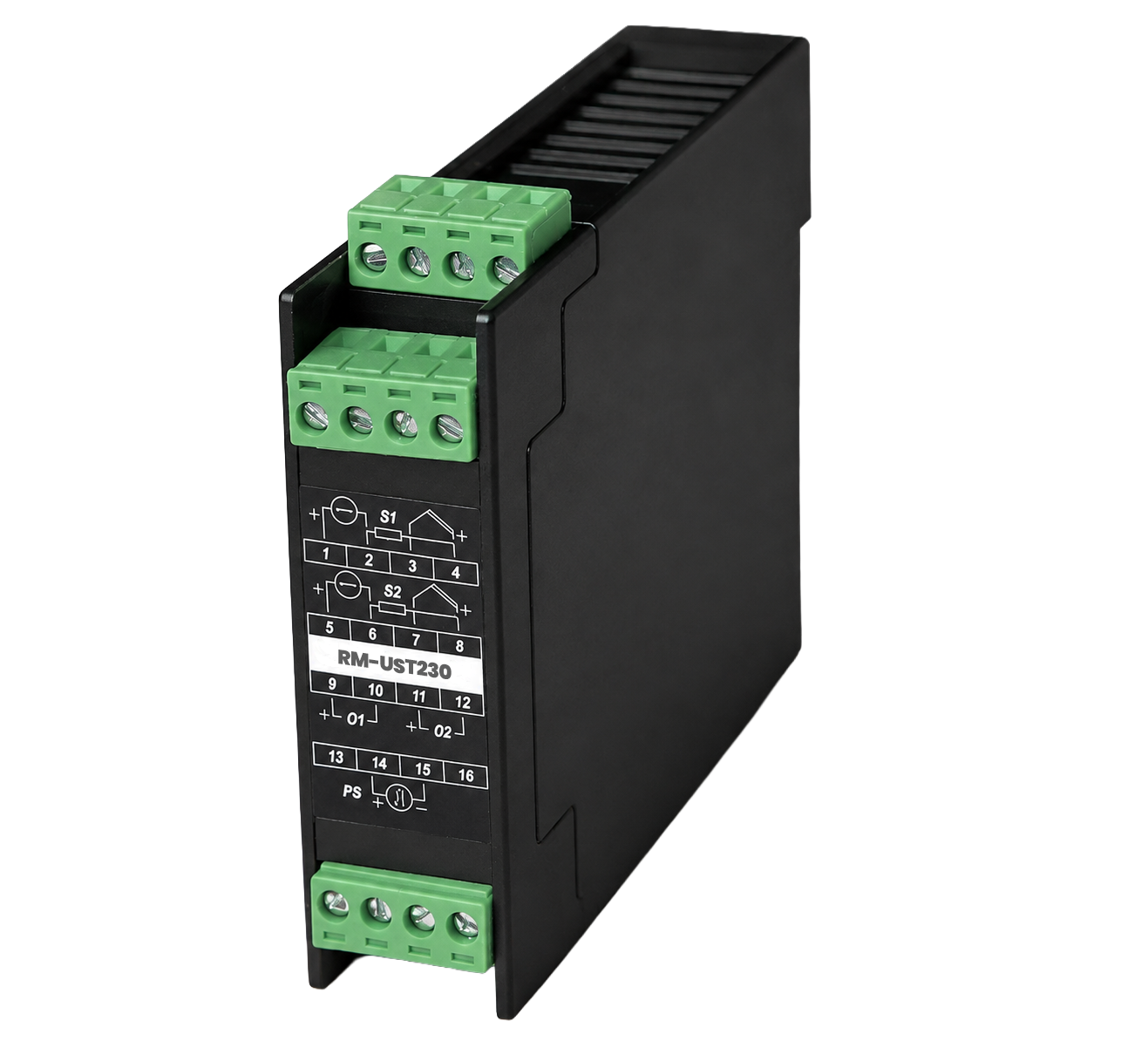
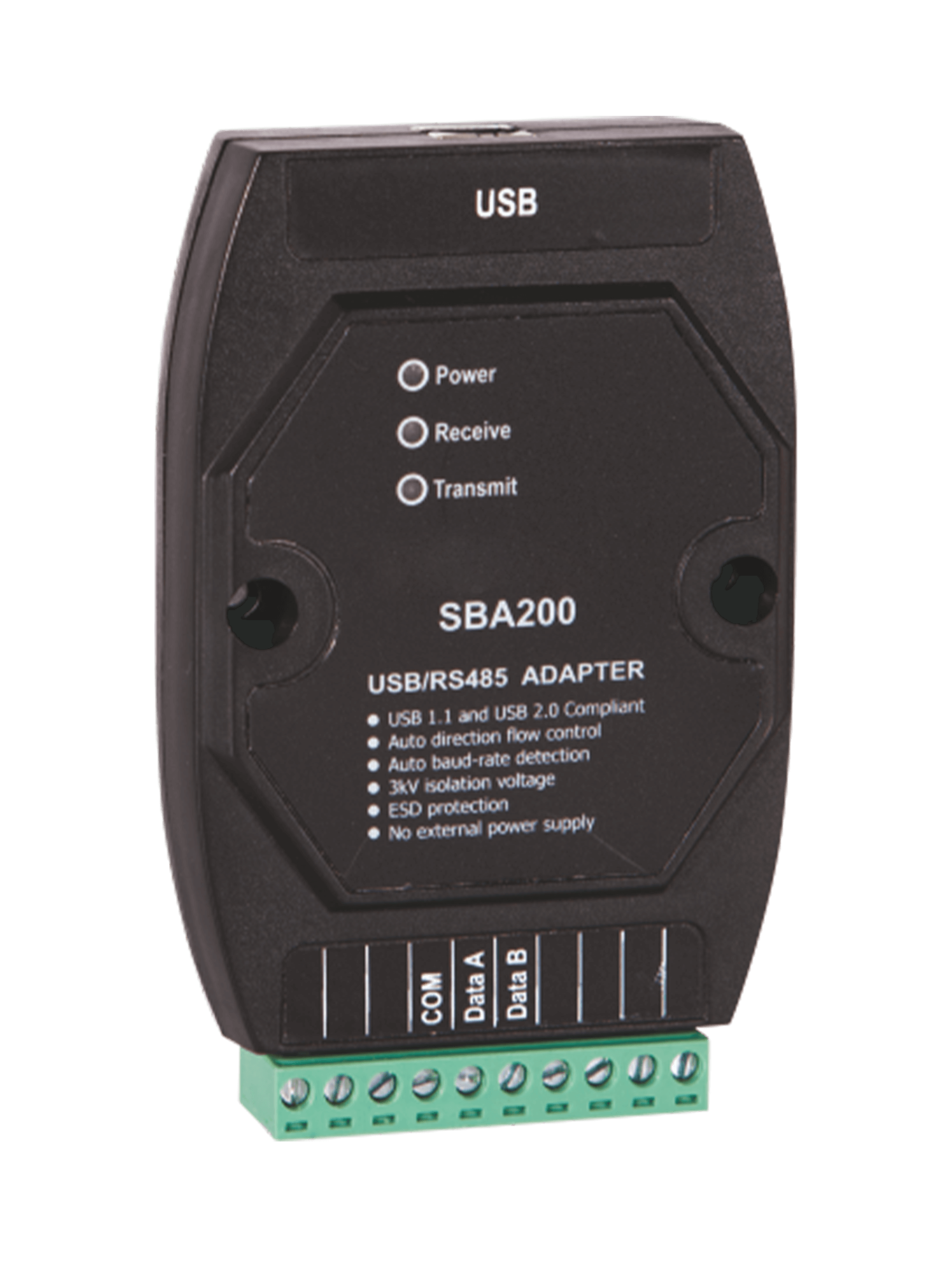

Process Controllers
Process controllers are used to monitor, regulate and stabilise process variables such as temperature, pressure, flow, level, humidity and other measurable parameters in industrial systems. Reinmeer provides control instruments designed for applications where accurate signal processing, stable control output and reliable operator interaction are required. These devices support automation systems in production lines, ovens, furnaces, heating systems, cooling processes, machinery, test equipment and general industrial control panels.
In a typical control loop, the controller receives a signal from a sensor or transmitter, compares the measured value with the setpoint and generates an output to control equipment such as heaters, valves, relays, contactors, actuators or drive systems. This makes the controller a central component in maintaining process stability, reducing manual intervention and improving repeatability.
Reinmeer’s controller range includes advanced control devices, standard controllers, advanced step controllers and oven control devices. These product groups are designed for different control requirements, from single-loop temperature control to more advanced applications requiring multiple inputs, step control functions or thermocouple-based oven control.
The RM-AC, RM-PC, RM-SC and RM-OC series allow technical teams to select a suitable control device according to input type, control function, panel layout and process requirement.
Reinmeer focuses on practical integration, clear operation and dependable control performance. Whether the application requires a digital temperature controller, process controller, process indicator or programmable digital controller, Reinmeer control instruments are developed to support stable operation in industrial automation environments.
Temperature, Process and Oven Control Applications
Digital temperature controllers are widely used in industrial heating and cooling applications. They help regulate ovens, furnaces, heaters, dryers, packaging machines, plastic processing equipment, laboratory systems and thermal treatment processes. Stable temperature control is important for product consistency, energy efficiency and equipment protection.
Process controllers are used in wider automation tasks where signals from different sensors or transmitters must be monitored and controlled. Depending on the application, a controller may be used for pressure control, flow control, level-related control functions or general process monitoring. The selected device should match the input signal, output requirement and control strategy of the system.
Oven control applications often require reliable thermocouple input, clear display, alarm functions and stable output behaviour. Reinmeer oven control devices such as the RM-OC series are designed for applications where temperature values must be monitored and controlled in thermal process equipment. Advanced step controllers such as the RM-PC series can support applications where the process requires controlled stages or sequential operation.
Standard, Advanced and Step Control Functions
Standard controllers are commonly used when the application requires clear setpoint control, reliable measurement input and straightforward output control. These devices are suitable for many industrial panels where stable and practical process control is required without unnecessary complexity.
Advanced control devices are selected when the application requires broader control capability, additional input options, flexible configuration or enhanced operator interaction. Reinmeer RM-AC series controllers support this type of use where a more capable control device is required for industrial process applications.
Step controllers are used when the process needs to follow defined operating stages rather than a single fixed setpoint. This may be required in heating profiles, staged processes, time-based control sequences or applications where the process condition changes progressively. Reinmeer RM-PC series advanced step controllers can be evaluated for applications where staged control behaviour is required.
Process controllers are used to keep a process variable within a defined operating range. The controller continuously evaluates the measured value and adjusts the output according to the required setpoint. This function is essential in systems where temperature, pressure, flow, level or another process value must remain stable during operation.
In temperature applications, controllers are commonly used with thermocouples, RTD sensors or transmitters to regulate heaters, ovens, furnaces, dryers, moulds and thermal processes. In broader process applications, controllers may be used to manage actuator signals, alarm outputs, relay functions or control logic based on incoming sensor data.
A process controller can also improve operating consistency by reducing the need for manual adjustment. Instead of relying on an operator to react to process changes, the controller automatically responds according to the configured control parameters. This helps maintain repeatable process conditions and supports safer, more controlled operation.
A process indicator is mainly used to display a measured value from a sensor or transmitter. It helps operators monitor a process variable locally, but it may not always provide active control output. A process controller, on the other hand, can compare the measured value with a setpoint and generate a control output.
In simple monitoring applications, a process indicator may be sufficient. In applications where the system must automatically adjust heating, cooling, actuator position or output status, a process controller is required. Some devices may combine indication, alarm and control functions in the same unit.
A step controller is used when a process needs to operate through defined stages or sequences. Instead of controlling only one fixed setpoint, step control can support staged operation, time-based control behaviour or process profiles that change during operation.
Step controllers are commonly used in heating processes, thermal treatment systems, ovens, dryers and applications where process conditions must follow a planned sequence. The correct configuration depends on the process profile, timing requirements and output behaviour.
Yes. Process controllers can be used together with PLC, SCADA or other automation systems depending on the signal and communication requirements of the application. In some systems, the controller operates locally and provides alarm or output signals. In others, it may be part of a wider control architecture.
Reliable integration depends on correct wiring, input scaling, output configuration, signal compatibility and commissioning. When controllers are used in control panels, the panel layout should also consider operator access, display visibility, wiring separation and environmental protection.