

-
 FLOW
FLOW
-
 PRESSURE
- Hydrostatic Level Sensor
- Finger -Type Differential Pressure Transmitter
- Finger Type Pressure Transmitter
- Finger-Type Pressure Transmitter with Indicator
- Stainless Steel Pressure Transmitter Without Gauge
- Pressure Transmitters with and without Gauges
- Flange Stainless Steel Body Pressure Transmitter
- Flush Diaphragm Pressure Transmitter
- Ex-Proof Pressure Transmitter
-
 LEVEL
LEVEL
-
 CONTROLLERS
-
 MOISTURE
-
 ANALYTICAL
-
 TEMPERATURE
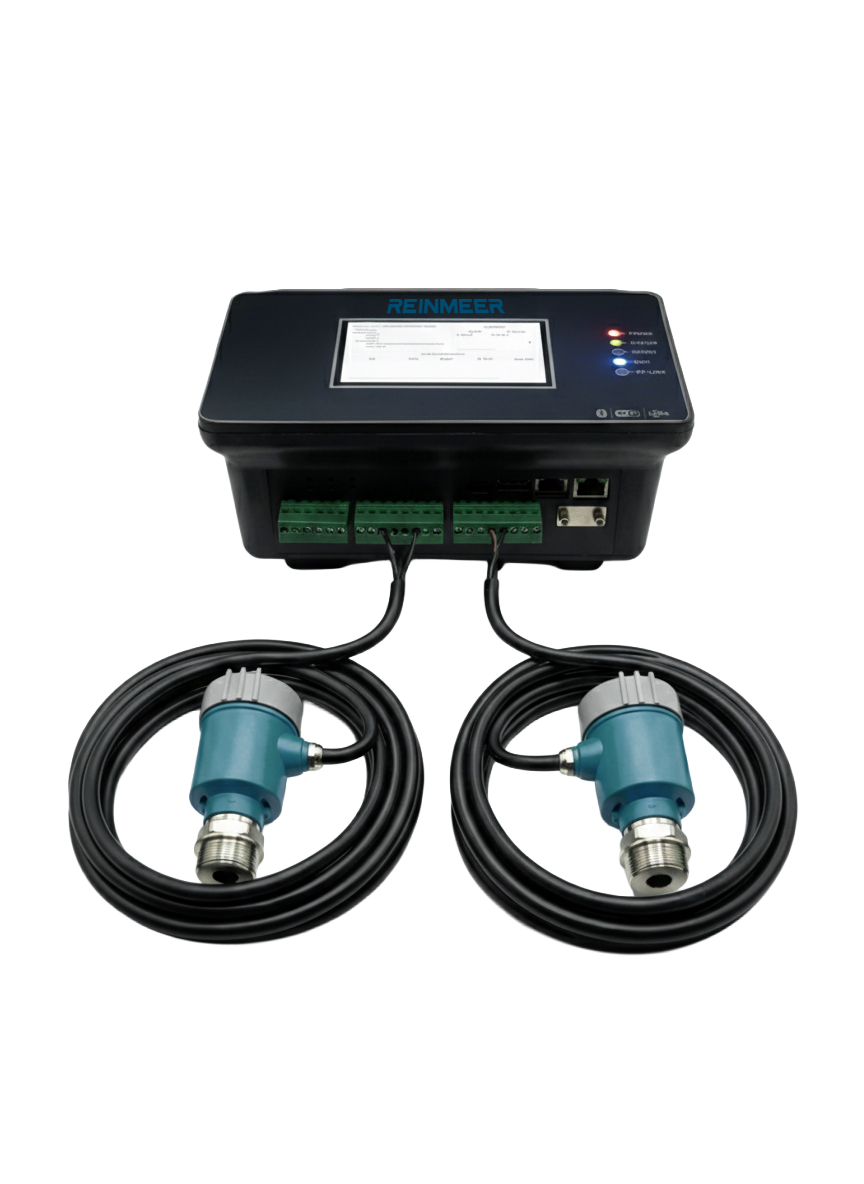
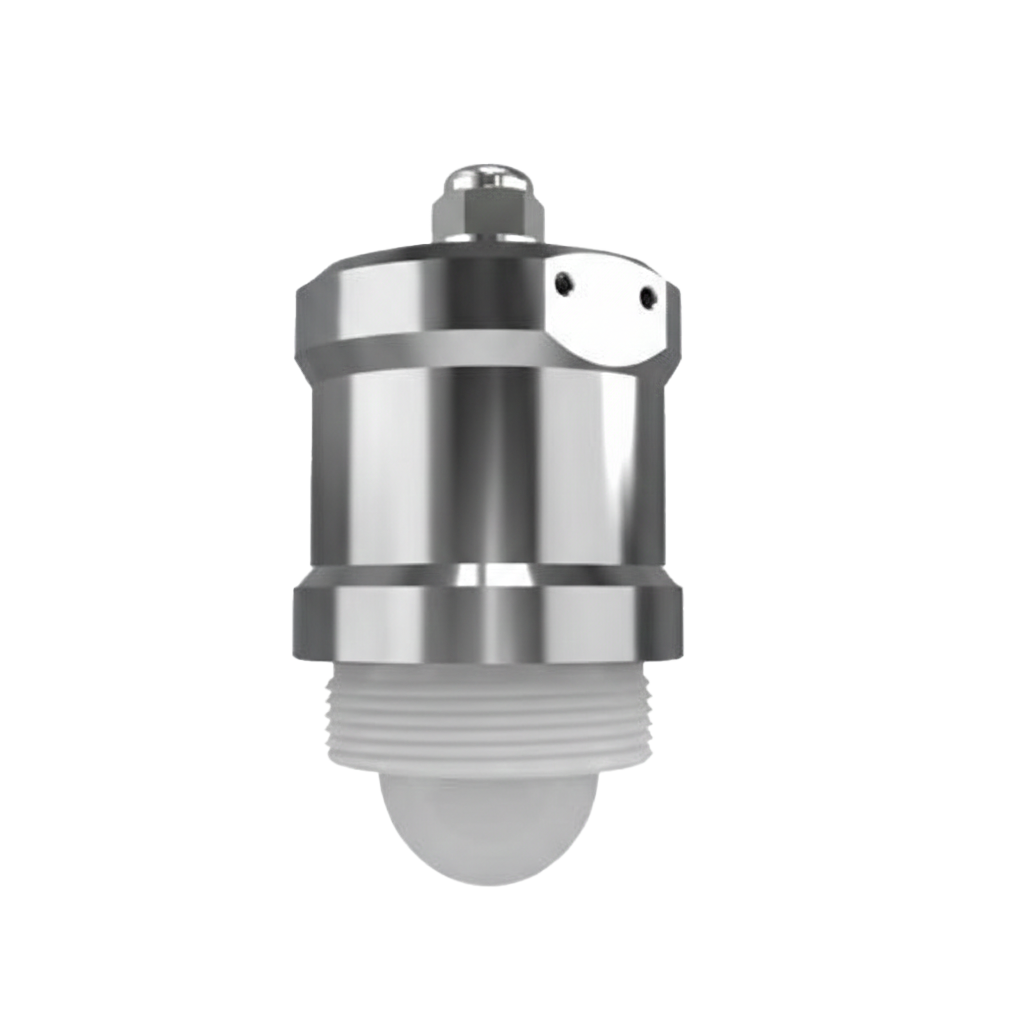
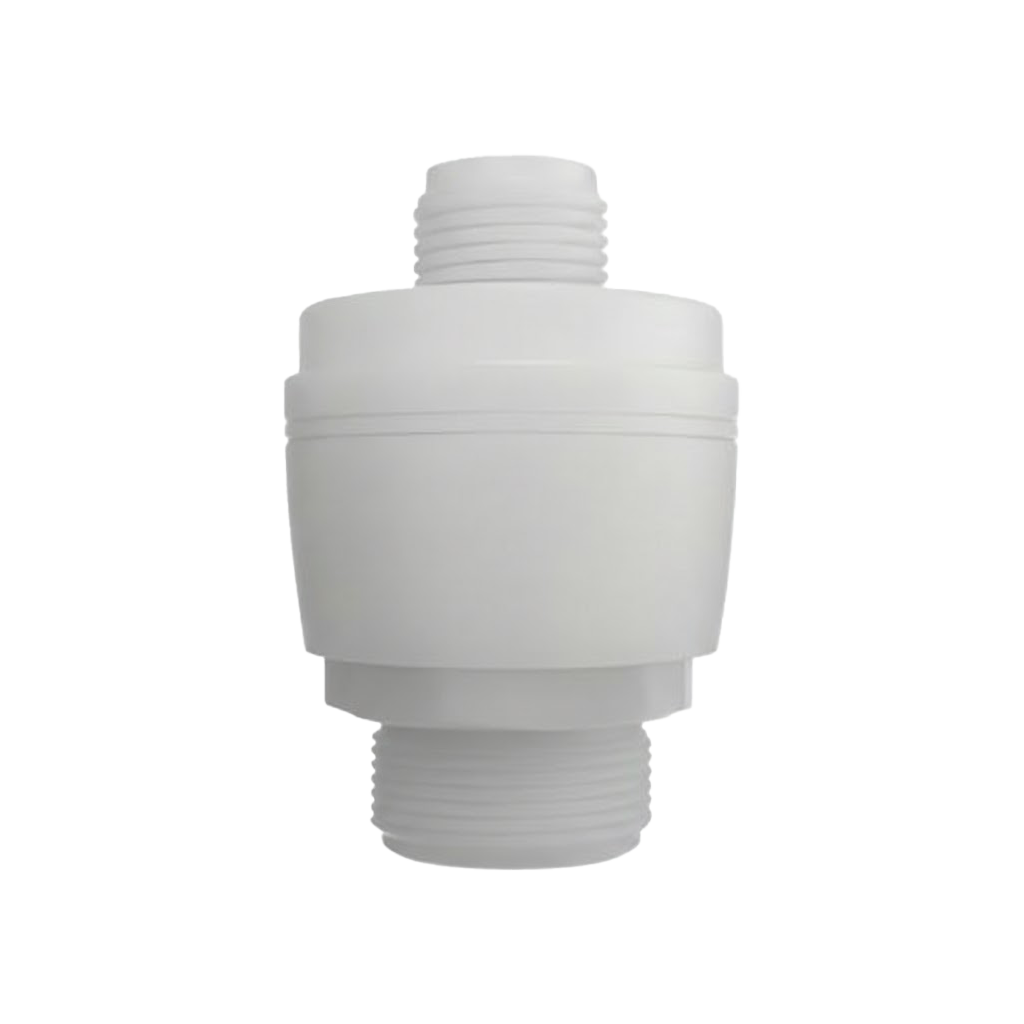
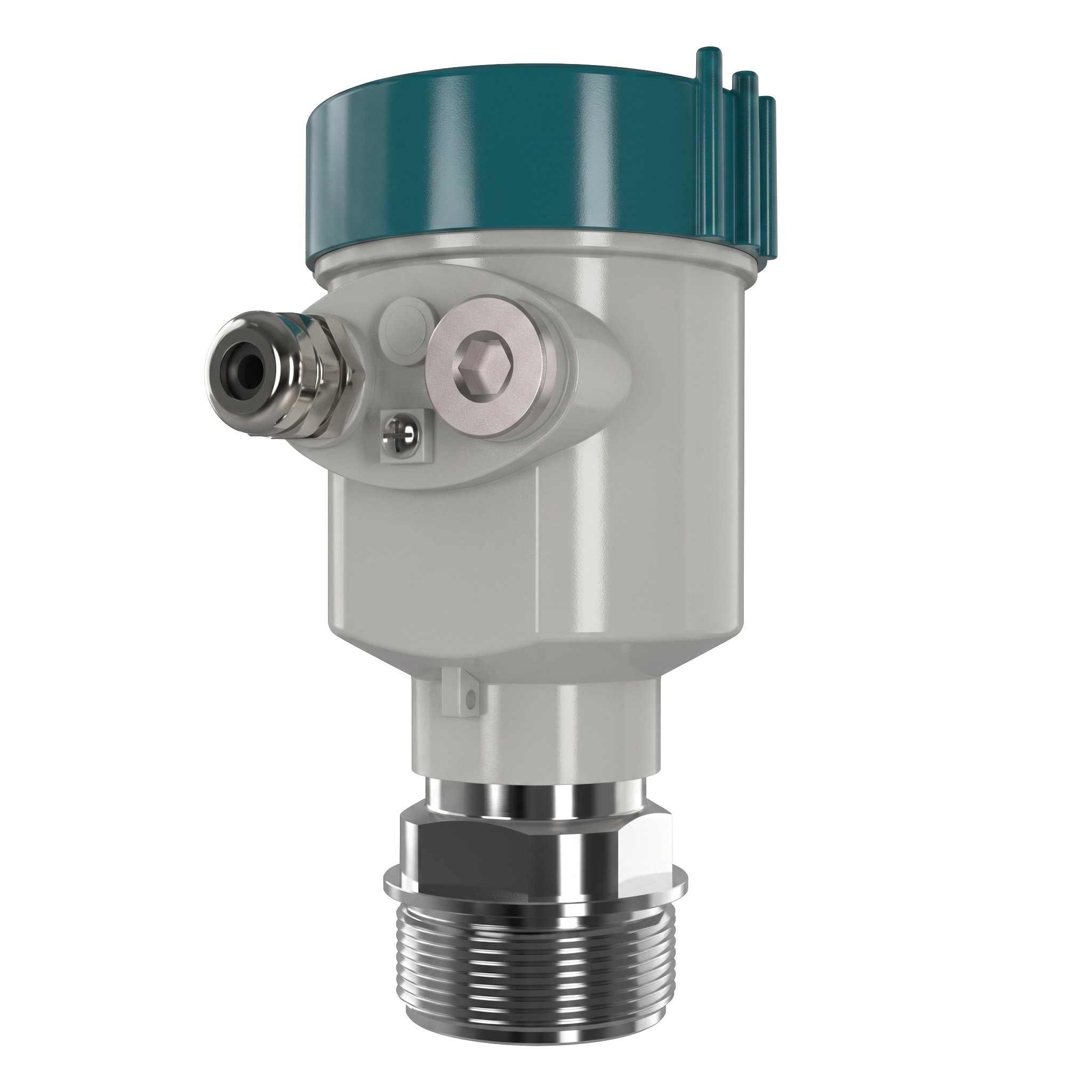
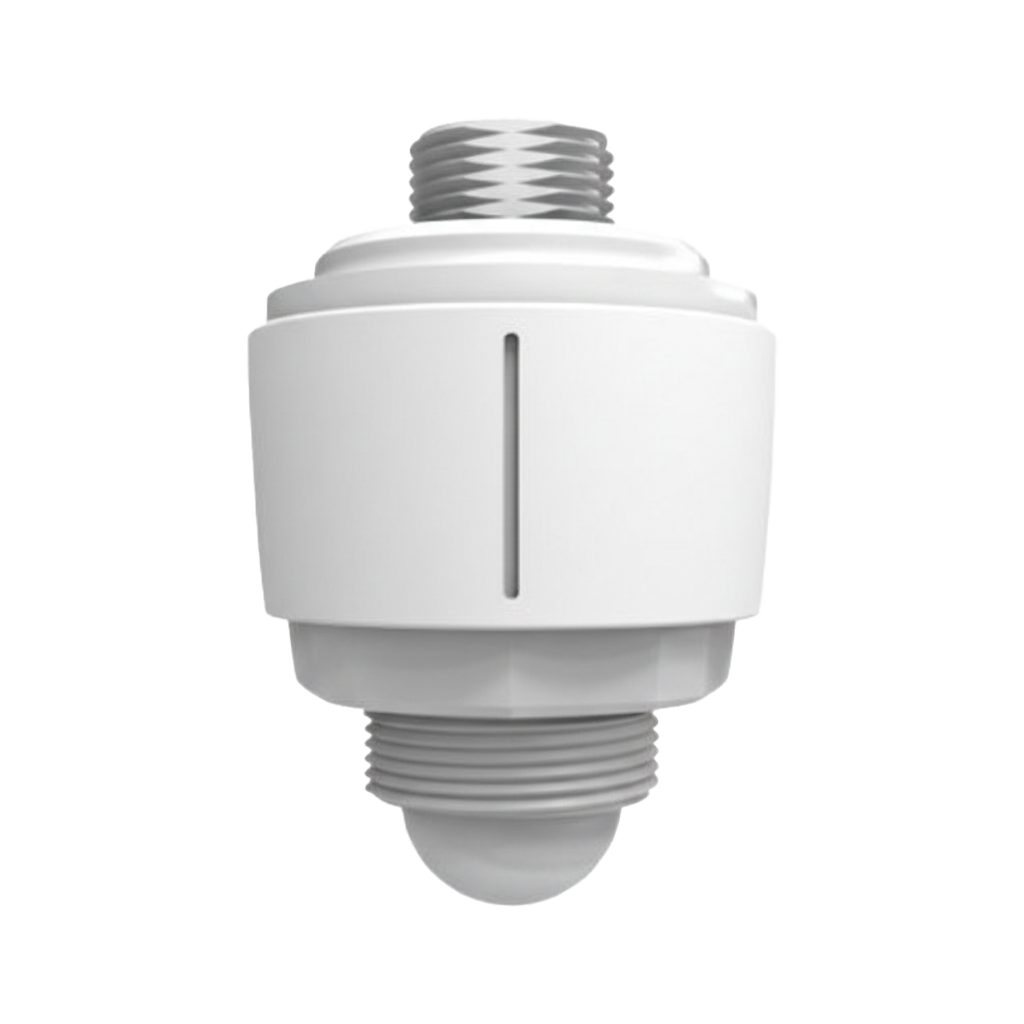
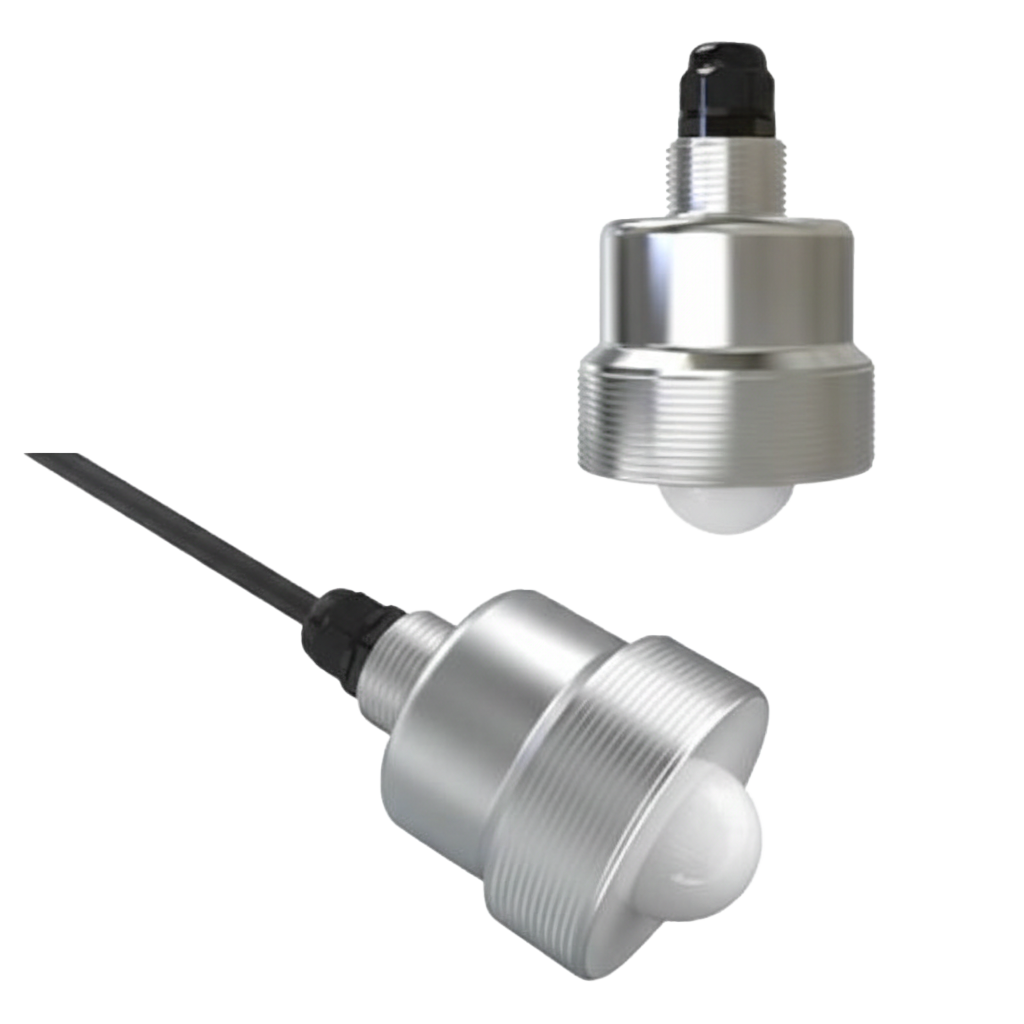
Industrial Level Measurement Solutions
Level measurement is essential for monitoring, controlling and protecting tanks, vessels, silos, reservoirs and process systems. In industrial applications, accurate level data helps prevent overflow, avoid dry running, control filling and emptying operations, improve inventory visibility and support safe process automation.
Reinmeer provides level measurement instruments designed for liquid and bulk material applications across water treatment, wastewater systems, chemical processing, food and beverage production, storage tanks, energy facilities and general industrial automation.
Selecting the right level sensor depends on the medium, tank geometry, measuring range, process temperature, pressure, foam, vapour, turbulence, density, conductivity and required output signal. Some applications require continuous level measurement, while others only need point level detection for high-level, low-level or safety alarm functions. This distinction is important because level transmitters, level switches and visual indicators serve different roles within a control system.
Reinmeer’s level instrumentation portfolio includes technologies suitable for different process requirements, including radar level sensors, capacitive level transmitters, capacitive level switches, float level switches, magnetic level indicators, rotary level switches and vibrating level switches. This range allows technical teams to select a measurement method according to the medium, installation conditions and automation requirements.
Reinmeer focuses on reliable measurement, practical integration and application-oriented product selection. Whether the requirement is continuous tank level monitoring, point level detection, liquid level measurement, bulk material detection or visual level indication, Reinmeer level instruments are developed to support stable operation and dependable process control.
Key Factors in Level Instrument Selection
Choosing the right level instrument starts with understanding the medium and the tank conditions. The first question is whether the application involves a liquid, slurry, powder, granule or bulk solid. The physical properties of the medium, such as density, conductivity, dielectric constant, viscosity, foam formation, dust, build-up and corrosiveness, directly influence the suitable measurement technology.
Tank design is also important. Open tanks, closed vessels, pressurised tanks, narrow vessels, silos, sumps and wastewater channels may require different installation methods. Agitation, turbulence, vapour, condensation, temperature variation and internal obstructions can also affect measurement performance.
For continuous level measurement, parameters such as measuring range, output signal, accuracy, response time and communication requirements should be reviewed. For point level detection, switching point, mounting position, relay output, material compatibility and fail-safe behaviour are key considerations. In automation projects, the selected level sensor or level switch should match the control system, panel design and operating logic.
Although the terms are sometimes used together, level sensors, level switches and level transmitters have different functions. A level sensor is a general term for devices that detect or measure the level of a medium. A level transmitter provides a continuous measurement signal, such as 4–20 mA, that represents the level value over a defined range. A level switch provides an on/off signal when the medium reaches a specific point.
Continuous level transmitters are typically used when operators need to monitor the changing level inside a tank or vessel. They are useful for inventory control, process monitoring, pump control and remote supervision. Point level switches are commonly used for high-level alarms, low-level alarms, overflow protection, dry-run protection and safety interlocks.
Visual level instruments, such as magnetic level indicators, provide local indication and can support operators during inspection or maintenance. In many industrial systems, continuous transmitters and point level switches are used together to provide both process control and independent alarm protection.
Industrial level measurement is used across a wide range of process and utility systems. In water and wastewater applications, level instruments help monitor tanks, sumps, reservoirs, chemical dosing tanks and treatment processes. In chemical and process industries, they support storage tank monitoring, reactor control, batch operations and safe handling of process liquids.
In food and beverage production, level measurement can be used in storage vessels, mixing tanks and process lines where hygiene, repeatability and process control are important. In energy and utility systems, level instruments help monitor tanks, condensate systems, cooling circuits and auxiliary processes.
Bulk solid applications may require level detection in silos, hoppers or material handling systems. In these cases, medium properties such as dust, build-up, particle size and flow behaviour must be considered. The correct level measurement technology helps improve process visibility, reduce manual checks and support more stable operation.
The correct level measurement technology for liquids depends on the liquid properties and process conditions. For clean or aggressive liquids, non-contact technologies such as radar level sensors may be suitable. For conductive or dielectric liquids, capacitive level transmitters or capacitive level switches may be used depending on whether continuous measurement or point detection is required.
Float level switches can be suitable for simple liquid point detection, while magnetic level indicators provide local visual indication. In tanks with foam, vapour, turbulence, high temperature or pressure, the measurement method should be selected carefully to avoid unstable readings.
Tank condition has a strong effect on level measurement performance. Factors such as tank shape, mounting position, internal obstructions, agitators, foam, vapour, turbulence, condensation and build-up can influence the signal quality and measurement stability.
For example, non-contact level measurement may be affected by obstructions or heavy foam, while contact-based technologies may be affected by coating, material build-up or medium compatibility. Before selecting a level instrument, the tank layout and operating conditions should be reviewed together with the medium properties.